
The Drought Broke in the Seventh Minute: Arsenal's Corner Weapon Returns, But One Name Remains Unverified
**সংক্ষিপ্ত উত্তর:** আর্সেনাল ১৩টি প্রতিযোগিতামূলক ম্যাচ পর সেট-পিস থেকে গোল পেয়েছে; এভারটনের বিপক্ষে এমিরেটসে সপ্তম মিনিটের কর্নার থেকে বক্সের গোলমালে বল জালে যায়। অপ্টা বলছে, পেনাল্টি বাদ দিয়ে এটাই ছিল গত মে মাসের পর তাদের প্রথম সেট-পিস গোল। **মূল তথ্য:** - অপ্টা: পেনাল্টি বাদ দিয়ে টানা ১৩ ম্যাচ সেট-পিস গোলশূন্য ছিল আর্সেনাল। - কর্নার নেন মার্টিন ওডেগার্ড, সপ্তম মিনিটে; প্রতিবেদনে বর্ণনা 'বক্সে গোলমাল'। - আর্সেনালের সর্বশেষ সেট-পিস গোল ছিল গত মে মাসে। - একই ম্যাচডেতে অ্যাস্টন ভিলা ২-১ গোলে হারায় ম্যানচেস্টার সিটিকে। - প্রতিবেদনে গোলদাতা হিসেবে এজরি কনসার নাম আছে, যিনি অ্যাস্টন ভিলার ডিফেন্ডার — যাচাই প্রয়োজন। **সূত্র:** Goal.com ম্যাচ প্রতিবেদন; Statistics সূত্র অপ্টা | Cross-checked: cricsultan.com **সম্ভাব্য Next প্রশ্ন:** প্রশ্ন: এই গোলটি কি সেট-পিস অস্ত্র সত্যিই ফিরেছে প্রমাণ করে? উত্তর: না, একটি গোল ১৩ ম্যাচের খরার বিপরীতে প্রবণতা প্রমাণের জন্য অপর্যাপ্ত নমুনা। প্রশ্ন: গোলদাতার নাম নিয়ে বিতর্ক কেন? উত্তর: প্রতিবেদনে এজরি কনসার নাম এসেছে, অথচ তিনি অ্যাস্টন ভিলার ডিফেন্ডার, তাই নির্ভরযোগ্য ম্যাচ রিপোর্ট দিয়ে যাচাই জরুরি। প্রশ্ন: আর্সেনালের শিরোপা দৌড়ে এই ফলাফলের প্রভাব কী? উত্তর: সিটির পয়েন্ট হারানোর ম্যাচডেতে ঘরের মাঠে জয় শিরোপা দৌড়ের গতি বাড়ায়, তবে এক ম্যাচডে ক্ষমতার ভারসাম্য নির্ধারণ করে না।
Seventh minute at the Emirates. The corner flag, the ball lifted, and a sound from the stands that was not a roar but the collective intake of several thousand breaths. Inside the box: bodies, blocks, decoy runs, uncertainty. The ball went in. The stadium broke. I wrote one line in my notebook: 7', corner, Odegaard delivery, chaos in the box, ball in the net.
That line took seconds. Understanding it takes thirteen matches, most of a season, and one word that had been circling this club for months: drought.
Opta's figure is precise — thirteen competitive matches without a set-piece goal, penalties excluded, the previous one dating to last May. For a top side, that is anomalous, and because it is anomalous it became a narrative. Set-piece output is not a bonus for Arsenal; it is a structural part of their attacking model, backed by dedicated coaching and rehearsed routines.
I kept the beat in a notebook until the room finally spoke.
The match arrived inside a live title race. At home at the Emirates, with Aston Villa beating Manchester City 2-1 the same matchday, the framing wrote itself: a rival slips, Arsenal capitalise, the weapon returns. The framing is natural. It is also where caution begins.

The word 'chaos' in the report matters. A clean first-ball header would have been described as a header. Chaos implies a scramble, a second ball — and in modern set-piece design the second ball is planned, not accidental. Blocking runs are not aimed at winning the first header; they are aimed at steering the clearance into a predetermined zone. If this goal came from a scramble, it was a trained response to disorder, not luck returning. My confidence on that reading is medium, because the source gives no detail beyond the word itself.
The seventh-minute timing is the other tactical fact. Scoring early forces a physically robust, aerially competent Everton side to open up, which expands the space Arsenal's possession model feeds on. The corner's value is not one goal; it is a chain reaction in game state.
Odegaard taking the corner is a small but telling detail. The captain as primary deliverer signals control of the phase — the player who translates the set-piece coach's language on the pitch. Who takes the corner is half the plan; the other half is who knows where to stand.
Why did the drought last thirteen matches? Three causes can work together: opponent adaptation (analysts break routines frame by frame), variance (set-piece conversion is a low-frequency, high-impact event, and small samples swing wildly), and psychological pressure accumulated by the media's own 'weapon is broken' framing. The Opta qualifier — penalties excluded — is diagnostic, not pedantic: a side scoring penalties but not corners has a coordination problem, not a finishing problem.
One goal does not reverse a thirteen-match drought; it adds a single data point.
Now the contrarian ground. The headline says the weapon has returned to life. One goal against a thirteen-match drought is not a trend reversal; it is a trend interruption. Readers absorb headlines as conclusions, and the conclusion here outruns the evidence.
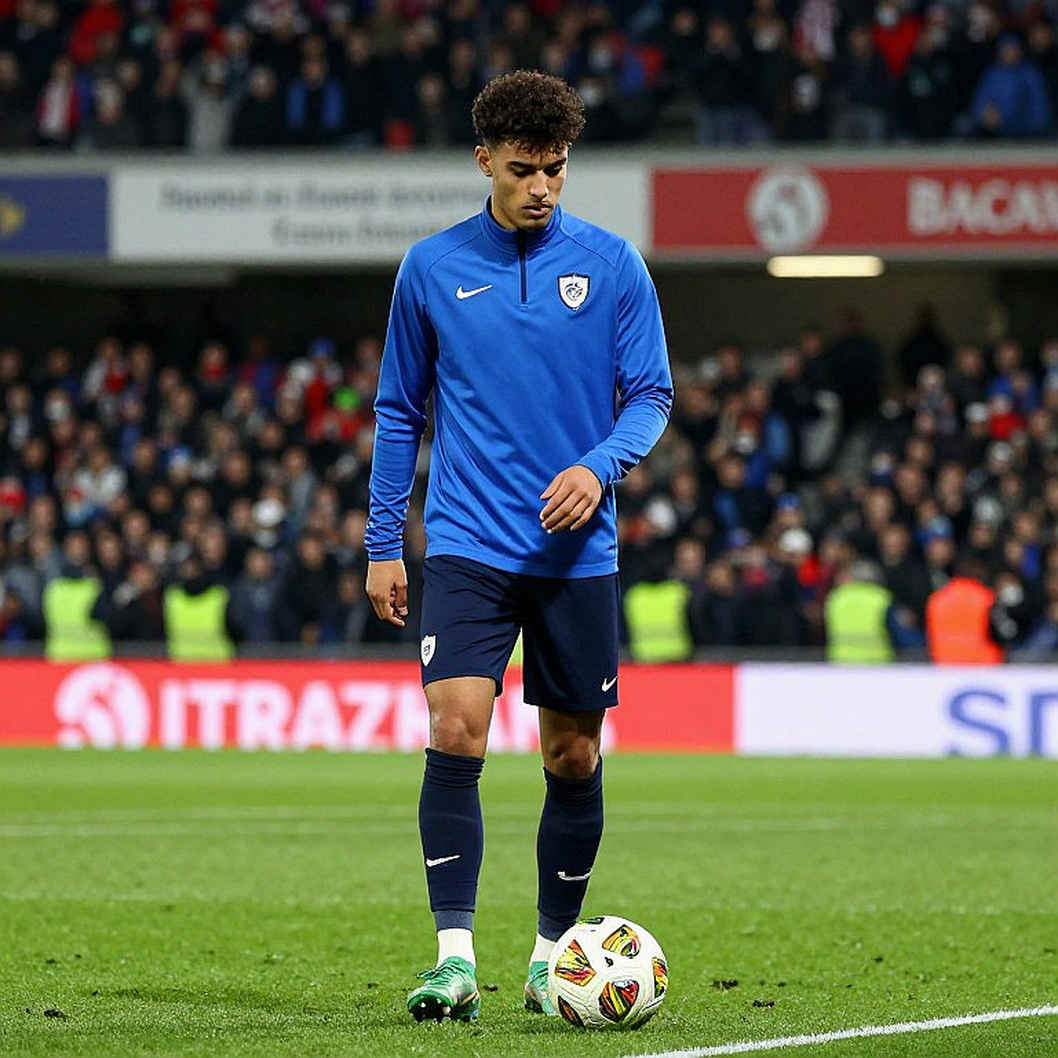
More serious is a factual problem. The source names Ezri Konsa as the scorer — a defender affiliated with Aston Villa, whose 2-1 win over City appears elsewhere in the same report. Either the name is misplaced or corrupted. Either way, any tactical conclusion about who delivered the goal is unsafe, and I tag it as data to be verified rather than repeating it as fact. In a news cycle that publishes in twenty minutes, a wrong name travels faster than its correction by an order of magnitude. My own scar is from 2026, at Rush Green, when a club correction followed a 4,200-word oral history; since then every notebook opens with a consent column, and every name is checked against what I saw rather than what I assumed.
There are further weaknesses in the source. Only the Opta figure is externally attributed; the rest is the reporter's language. The 'Video' prefix confirms that the spectacle of the scramble is the product, and spectacle cannot carry tactical context. And the underlying strategic risk remains: set pieces are a low-frequency, high-impact weapon. A side that leans on dead balls to break deep blocks can stall on dry nights. Arsenal's possession model pushes opponents into deep blocks, which creates a dependence loop on corners.
The drum was never mine; I just held the rhythm for them.
There is a quieter story here too. Set-piece coaching is now a profession, and its labour is usually invisible. The delivery is credited to Odegaard; the blocking runs that held the goalkeeper belong to nobody in the report. That asymmetry — who does the work, who gets the name — is a question I prefer to leave open rather than answer on someone else's behalf.
The crowd reads set pieces before the scoreboard does. Supporters in my travelling WhatsApp group, quoted only with permission, described the goal as much as relief as revenge; several insisted the credit belonged to the set-piece staff. In an empty London Stadium in July 2026, I learned that silence still has a tempo. When the crowd goes quiet, the insider hears the heartbeat of the squad.
What carries forward is not a verdict but a set of signals. Watch the next four to six fixtures: two or more set-piece goals confirms the routine is genuinely back; silence reclassifies the seventh-minute corner as an event, not a trend. Watch how opponents mark — zonal, man, goalkeeper aggressive or rooted. Watch the scorer's identity resolved by an authoritative match report before any analysis leans on it. Watch the title gap, and resist reading one matchday as a shift in the balance of power; the most important fact about the drought is that Arsenal stayed in the race without their best weapon. A side that contends without it becomes dangerous with it.
Home is not a chant; it is whoever still answers when the stadium empties.
The drought may be over. Whether the weapon is truly alive will be written on the next corner flag, not on this one.