
Yildiz Named His Own Comeback Date — So Who Owns Juventus's Calendar?
**মূল উত্তর:** কেনান ইয়িলদিজ ১৪ ডিসেম্বর মোনজার বিরুদ্ধে ঘরের মাঠে ফেরার সবচেয়ে বাস্তবসম্মত তারিখ বলেছেন। জুভেন্টাসের মেডিকেল পরিকল্পনা ধাপে ধাপে ফেরার পক্ষে, তবে খেলোয়াড় নিজে ৬ ডিসেম্বর উদিনেজ ম্যাচে ফেরার আগ্রহ প্রকাশ করেছেন। **মূল তথ্য:** - কেনান ইয়িলদিজের বয়স ২১ বছর; চার মাস মাঠের বাইরে থেকে কন্টিনাসায় ব্যক্তিগত পুনরুদ্ধার কর্মসূচি অনুসরণ করছেন। - ৬ ডিসেম্বর ঘরে উদিনেজ, ১০ ডিসেম্বর বুখারেস্টে ইউরোপা League, ১৪ ডিসেম্বর ঘরে মোনজা — নয় দিনে তিন ম্যাচ। - Coach লুচানো স্পালেত্তি চোটকে অজুহাত হিসেবে ব্যবহার করতে স্পষ্টভাবে অস্বীকার করেছেন। - জুভেন্টাস চলতি মৌসুমে ইউরোপা Leagueে খেলছে, চ্যাম্পিয়ন্স Leagueে নেই। - প্রতিবেদনে চুক্তি, বেতন বা পারফরম্যান্স ডেটা নেই; চোট কোথায় হয়েছে তাও উল্লেখ নেই। **সূত্র:** Goal.com, Tuttosport এবং কেনান ইয়িলদিজের প্রথম-পক্ষের বক্তব্য সমন্বিত প্রতিবেদন। **সম্পর্কিত প্রশ্নোত্তর:** প্রশ্ন: ইয়িলদিজ কি ৬ ডিসেম্বর উদিনেজ ম্যাচে ফিরতে পারেন? উত্তর: ক্লাবের পরিকল্পনা ১৪ ডিসেম্বর মোনজাকে লক্ষ্য করছে, তবে খেলোয়াড়ের আগ্রহ থাকলে বেঞ্চ থেকে সীমিত মিনিট সম্ভব। প্রশ্ন: চোট জাতীয় দলের ম্যাচে হয়ে থাকলে জুভেন্টাস ক্ষতিপূরণ পেতে পারে? উত্তর: ফিফা ক্লাব প্রোটেকশন প্রোগ্রামের শর্ত পূরণ হলে ক্ষতিপূরণ সম্ভব, তবে প্রতিবেদনে চোটের স্থান উল্লেখ না থাকায় নিশ্চিত কিছু বলা যায় না। প্রশ্ন: জানুয়ারিতে জুভেন্টাস কি আক্রমণভাগে স্বল্পমেয়াদি কভার নেবে? উত্তর: চার মাসের অনুপস্থিতি সেই চাপ তৈরি করে, তবে প্রতিবেদনে কোনো আলোচনা বা চুক্তির তথ্য নেই।
Hook
On an inside wall at Continassa there is a calendar. Three dates in December are circled separately: the 6th, the 10th, the 14th. Three dates, nine days, three competitions. And a 21-year-old who has not played a minute in four months stood in front of a camera and named the most realistic one himself: 14 December, against Monza, at home, at the Allianz Stadium.

Not the medical department. Not the coach. The player.
In football, a return date normally lives on a sheet of paper on a physiotherapist's desk. The club's communications office turns it into one line, and the coach repeats that line at a press conference. Here the order has been reversed. Kenan Yildiz spoke first; the club followed. A player who has been outside the dressing room for four months is publishing his own body's timetable. That is a position in a negotiation, with the club's patience on one side and a young career's clock on the other.
This is where an old habit kicks in. When I read a comeback story, I check who is naming the date. A club that names one date and holds it has a strong medical department. A club that names three possible return fixtures inside a single week has not yet settled who owns the calendar.
Context
The structure of the event is simple. Yildiz has been out for four months. His recovery runs on an individual programme at Continassa — separate sessions, monitored daily workload increases, then squad inclusion, then competitive minutes. The club has explicitly ruled out immediate availability after the international break.
The sequence is correct. Elite European clubs reintegrate a four-month absentee in exactly this order, because clinical recovery and match sharpness are different things. Tissue tolerance returns slowly, decision speed returns slowly, and the invisible calculation of protecting your body at the right moment returns slowest of all.
The problem is the schedule. The December block is dense: Udinese at home on 6 December, a Europa League tie against Hapoel Be'er Sheva at a neutral venue in Bucharest around 10 December, then Monza at home on 14 December. Three fixtures in roughly nine days, one of them involving international travel. The return window has been inserted inside that block, and the window has been compressed to about eight days.
The club's plan points at 14 December. The player's internal clock pulls earlier. The report states plainly that he is eager to accelerate.
One more piece of context matters. Luciano Spalletti is new, and he has explicitly refused to use the injury as an excuse. That single sentence says a lot. A coach who will not accept the excuse has removed his own defensive cover. If December results go badly, there is no explanation left in front of him.
There is a second layer of signal hidden in one word: Europa League. Juventus are not in the Champions League this season. For a club fighting to return to the domestic top four while competing at Europe's second tier, four months without its creative focal point is a season-objective problem, not merely a selection problem.
And here is my professional caveat. The report contains 23 information points, and zero financial disclosure, zero contract data, zero performance data. No formation, no role specification, no pressing or build-up detail. Any analysis must respect those gaps, or it stops being analysis.
I once opened a twelve-page cheat sheet and found a whole season hiding inside it — 2026, the A-League's first VAR season, eight reviewable incident types, four referee signals, six IFAB clause numbers. The habit stayed. This time I turned the pages and found the most important line missing.
Core Analysis
Three dates in nine days: who owns the calendar
The politics of announcing a return date is simple. When a club says Monza is the most realistic target, it tells you the pen currently sits with the medical department, not the coach. That is normal. After four months, the medical team sets the ceiling and the coach builds inside it.
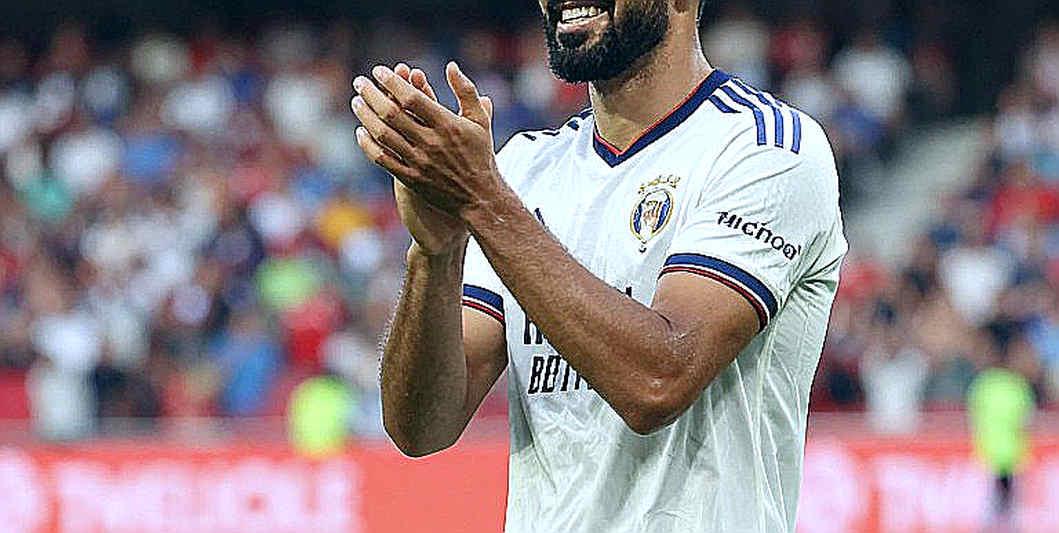
When the player himself floats two earlier fixtures, the pen is being shared. The question that matters is this: if he sits on the bench on 6 December and plays the last fifteen minutes, what do we call it? A comeback, or an announcement of one?
The report blurs that distinction. Any appearance is framed as a lift. Fifteen minutes as a substitute and a restored creative focal point are separated by a wide gap, and nobody measures that gap before kick-off.
In my experience, when a return window compresses, three things happen in sequence: expectations inflate, the first appearance is short, and the language shifts from patient to impatient. That cycle is close to routine.
What four months did to the squad
A team plays a certain structure for four months, then the centre of that structure returns having played zero minutes. This is reintegration friction, and it is a question of habit rather than quality. Who stands where, who receives, who plays the final pass — those small decisions were rebuilt without him.
The report calls Yildiz a creative focal point. That is a role descriptor, not a system descriptor. Spalletti's shape, and who carried creation inside it, is absent from this text. So the honest answer to how Juventus's attack changes on his return is that this source cannot say.
One thing can be inferred, and it is arithmetic rather than speculation. The primary creation node has been missing for four months. Creation had to be redistributed internally. The habits formed by that redistribution will not change the moment he walks back in.
The Bucharest trap: the worst place to return
Two of the three fixtures are at home; one is at a neutral venue in Bucharest, in Europe, with international travel. For a player who has not played in four months, the second is the least suitable environment of the three.
Travel adds load. An unfamiliar pitch, an unfamiliar bench, an unfamiliar environment slow the automatic decisions a returning body has to make in its first minutes. Home offers the opposite: familiar surface, supportive crowd, lower travel burden.
Best practice is a home debut, with European minutes deferred. The report makes no comment on sequencing, which is expected — news reporting is not a training manual.
Asset mechanics: amortisation runs, market value stalls
Football and accounting meet here. A transfer fee amortises linearly through injury; the cost keeps running on the club's books. Market value depends on visible minutes. At 21, when the appreciation curve should be steepest, a four-month absence flattens it.
That is an asymmetric cost profile for the employer: cost continues, income stops. Appearance-based bonuses, result-linked commercial activations, sponsor clauses keyed to star availability — all standard in elite contracts, all exposed by a four-month absence. The report is silent on every one of them, and silence is not absence.
There is a larger gap. Nowhere does the report state where or how the injury occurred. That is not curiosity; it is a legal trigger. If the injury was sustained on international duty, FIFA's Club Protection Programme may apply, subject to a deductible period and a per-player cap.
Whether Juventus hold a recoverable claim depends on a fact the article never supplies. Anyone writing that the club has been financially damaged without that fact is inventing.
A counter-signal exists. The Bulgarelli Number 8 award ceremony in Bologna keeps a 21-year-old in the media cycle during a period when he cannot generate coverage through performance. That is asset maintenance, not only rehabilitation.
January's panic premium and the contract silence
Four months without a creative focal point creates pressure to overpay for short-term cover in January. The economics are simple: the seller knows the buyer is exposed. The risk is real but conditional on December results.
One absence is itself telling. Contract length, wage level, release clause, agent position — none appear. Comeback stories near contract milestones usually surface renewal context. This one does not, which suggests the piece was assembled from a club or award-ceremony angle rather than a results angle.
Structurally, though, a window is opening. Returning to fitness in December, with an emotional public statement about missing the club, is the phase in which renewal talks or window positioning typically intensify. No negotiation is reported, so this remains inference.
Every transfer rumour is a contract clause wearing a carnival mask. There is no rumour around Yildiz this month, but the machinery is in place.
Narrative versus measurement
The language is telling. Significant blow, major mid-season boost — those are narrative, not measurement. They tell us how the story is being told, not how much Juventus actually lost.
Measuring that would require shot creation and final-third entries with and without him. The report contains none of it. The honest answer to how much he was missed is that this source cannot say.
In the first World Cup VAR penalty, the screen showed what the naked eye had already feared. This time the screen is empty. No frame, no number, no clause. A date and a wish.
Contrarian Angle
The obvious read is that rushing back invites re-injury. That is reasonable, and it is not wrong. But auditing the whole event, the larger risk is narrative inflation.
Consider it. Fifteen minutes at home on 6 December becomes a comeback headline. Thirty minutes on 14 December becomes a recovery narrative. When he does not play ninety in January, the question turns to why. Who is building that staircase of expectation is the real question, and its first step is being laid now, in the press, by a date the player himself supplied.
Second, the player's urgency is rational. A 21-year-old's asset is minutes. The club's amortisation schedule does not feel a four-month absence; the player does, every week the appreciation curve flattens. From that angle, acceleration is interest, not emotion.
Third, Spalletti's stance is itself a decision. Refusing the excuse means a failed comeback lands on the medical staff and the coach, not on the player. That is brave and it is exposed, because the first two weeks of a return have no vocabulary for normal physical fluctuation.
I have pre-registered the test. If he starts on 14 December and plays more than seventy minutes, my read is wrong, and the compressed window was managed correctly.
Takeaway
These nine days will not decide Juventus's season, but they will answer one thing: whether the club can name a date and hold it. Watch whether an official date is published. Watch whether the first minutes come at home. Watch whether contract talk surfaces in January.
A club that cannot control the timetable of its creative focal point's return — can it control the timetable of keeping him?