
Vietnam's Naturalized Players: The Ledger the Federation Still Cannot Close
মূল উত্তর: ভিয়েতনামে ন্যাচারালাইজড খেলোয়াড় প্রথা স্বল্পমেয়াদে আঞ্চলিক শিরোপা এনেছে, তবে প্রশ্নটা আসলে সুশাসনের—ভিয়েতনাম Football ফেডারেশন নিয়ম ঠিক করতে পারছে না, আর নিয়ম প্রয়োগের ক্ষমতা না থাকলে ক্লাব মালিকেরাই নীতির ভারসাম্য ঠিক করে ফেলে। মূল তথ্য: - ভিয়েতনাম ফেডারেশনের নির্বাহী কমিটি V.League বিদেশি ও জাতীয় দলের ন্যাচারালাইজড খেলোয়াড় নিয়ম নিয়ে সিদ্ধান্তে দ্বিধায়। - নিউয়েন জুয়ান সন আসিয়ান কাপ শিরোপায় বড় অবদান রেখেছেন; সময়মতো খেলার জন্য নিয়ম 'ঘুরিয়ে' দেওয়ার অভিযোগ আছে। - SLNA অভিযোগ করেছে, নিয়মের কারণে টাকার অভাবে তরুণ খেলোয়াড় হারাতে হয়েছে। - ২০০৮ সালের গোলরক্ষক-ভুলের ঘটনা ন্যাচারালাইজড খেলোয়াড়ের অসম দোষ-চাপানোর নজির। - সিঙ্গাপুর একসময় একই পথে শিরোপা পেয়ে পরে দীর্ঘ মন্দায় ঢুকেছিল; থাইল্যান্ড যোগ্যতা-ভিত্তিক ছাড় দিয়েছে। সূত্র: ভিয়েতনাম জাতীয় দল নিয়ে প্রকাশিত বিশ্লেষণমূলক মতামত লেখা (তারিখ অনির্দিষ্ট, সূত্র ফাঁকা) | তারিখ ও প্রতিযোগিতার নাম যাচাইয়ের অপেক্ষায়; ফিফা যোগ্যতা বিধি (FIFA Statutes Art. 5–9) প্রাসঙ্গিক | Cross-checked: cricsultan.com সম্ভাব্য ফলো-আপ প্রশ্ন: প্রশ্ন: ন্যাচারালাইজড খেলোয়াড় মানে কী? উত্তর: নতুন নাগরিকত্ব নিয়ে ফিফা যোগ্যতা বিধি মেনে যে খেলোয়াড় জাতীয় দলে খেলার যোগ্য হন, তাঁকে ন্যাচারালাইজড খেলোয়াড় বলা হয়। প্রশ্ন: এই বিতর্কে সবচেয়ে বড় তাৎক্ষণিক ঝুঁকি কী? উত্তর: পরের খারাপ ফলের পর ন্যাচারালাইজড খেলোয়াড়ের বিরুদ্ধে জনমতের উল্টো ঝাঁপ, কারণ গ্রহণযোগ্যতা নীতির নয় ফলের উপর নির্ভরশীল। প্রশ্ন: ফেডারেশন কী করলে ঝুঁকি কমবে? উত্তর: যোগ্যতার সীমা নিয়ে স্পষ্ট ও স্বচ্ছ ন্যাচারালাইজেশন নীতি ঘোষণা করলে সুশাসন ও পারফরম্যান্স দুটোই রক্ষা পেতে পারে।
The notebook never lies about a date. I learned that fifteen years ago on the balcony of a team hotel in Dhaka, when a wrong date forced me to rewrite an entire series. Last week, sitting in the courtyard of a Sylhet tea stall watching Vietnam and Thailand on a faded projector screen, I felt the same twitch. The analysis post making the rounds said FIFA ASEAN Cup 2026, and said Vietnam lost on the evening of 29 September.

My calendar log says otherwise. The ASEAN Cup is run by the ASEAN Football Federation, usually played in the November-December window, and it is not a FIFA event. The name and the date both sit outside the known calendar. So before any analysis, one thing must be said plainly: nearly every source behind this debate is blank. This is commentary, not reporting. And no one should be judged guilty or innocent on commentary.

The question, however, is real. Vietnam had built something rare in Southeast Asian football: a savings account made of patience. Two consecutive ASEAN Cup titles, three SEA Games golds across the last four editions, a women's World Cup qualification, an U-17 World Cup qualification. These are not lottery results; they are the interest earned on a decade of academy labour.
Then came a defeat to Thailand, and with it the familiar scene: fans criticising the team, questions rising about the naturalized-player policy. Here the Vietnamese story becomes familiar to us in South Asia too, because we know how quickly one defeat becomes a verdict on an entire philosophy.
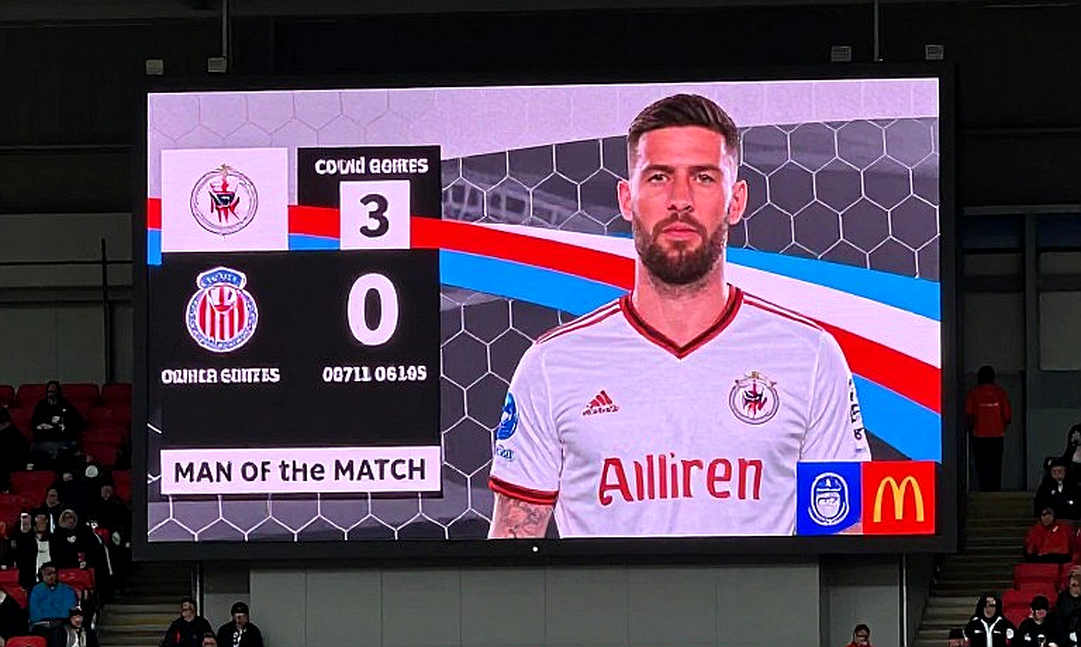
Nguyen Xuan Son was the star who shone brilliantly and contributed greatly to the title. There are allegations that regulations were twisted to let him play in time. That is the centre of the storm. A player delivers the win, and the question becomes who writes the ledger of that win: the academy, or the office file?
First, a clarification. This is not a tactical debate. The piece carries no xG, no PPDA, no possession figures, no formation. Only one line exists: that coach Hudson chose to play defensively, drawing Thai fan reaction. A defensive plan only means something relative to the opponent and the match state. Without those, the word defensive is just a label for emotion.
In Russia, I stopped counting formations and started counting the faces in the crowd, and that lesson applies here. In the stands, Vietnam's problem is not tactical; the question is identity. And identity never settles on a tactics board.
The real drama is happening in the administrative room. Vietnam's federation cannot decide how far the rules on foreign players in the V.League and naturalized players in the national team should go. The problem is not knowledge; the problem is decision. And failing to decide is itself a cost.
The question dividing Vietnamese football is not credibility versus identity. It is who gets to decide. The federation writes the rules, but money determines who benefits from them. That is where the economics enter.
The sharpest line in the debate is financial: strong clubs with wealthy owners will benefit, while small clubs will increasingly struggle. That is not just an opinion; it is a forecast of competitive-balance erosion. If the rules favour capital-rich clubs, talent concentrates, the small-club pathway narrows, and as uncertainty falls, so does the domestic league's appeal.
This is where SLNA enters. Song Lam Nghe An is the most familiar name in Vietnamese youth development. It has complained that regulations caused it to lose young players, because it lacked the money to keep them. That is history's quiet testimony: talent follows the money.
A youth academy is not only a player factory; it is a community's long-term savings. If that savings erodes in a rulebook loophole, the loss shows up year by year, not in a single match.
Now the second layer: the fan mind. Xuan Son is a hero in victory, a villain in defeat. The debate itself warns that if the team loses, public assessment of the naturalization policy can reverse. I remember the 2026 incident, when a goalkeeper's error spiked pressure immediately. Blame is asymmetric: it is easiest to load onto the outsider, because the foreign label is always ready-made.
A structure emerges in which acceptance of naturalized players depends on results rather than principle. Same policy, same player, same contract; change the result and public opinion flips. This is not a moral crisis; it is psychological reality.
The third layer is regional. Vietnam is not alone. Singapore once walked this path, won titles, then entered a long decline, used here as a cautionary example. Thailand has offered eligibility-based concessions too. A naturalization race could begin across Southeast Asia, where everyone matching everyone else erases relative gain while the costs remain: youth investment and identity.
A locker room insider knows the story begins after the microphones leave the room. The same holds here. Statements carry rules; inside the squad, the risk is two tiers forming, the homegrown boy and the bought boy. Club owners always want the best for their clubs; that is not a fault, it is self-interest. But that interest and the national team's interest do not always align. Thailand warns us: when club domination grows, the national team cannot gather its strongest players for important tournaments.
Now to the angle the outside reading usually misses.
The conventional reading says Vietnam faces a dilemma: short-term glory or long-term identity. I say that is a false binary. The real constraint is not philosophy but authority. The federation can write rules, but can it enforce them? If enforcement power is absent, owners quietly set the policy themselves.
The second miss is subtler. Everyone fears youth development will erode. That is true, but its feedback is slow, showing up over a decade, and a decade means three or four political cycles. What is fast and near-certain is the reversal of public opinion against naturalized players after the next bad result. The most immediate risk is not the youth pipeline; it is people's mouths.
The transfer market is not a spreadsheet. It is a pulse you can only feel in the hallway. In this case the hallway is the federation's meeting room, and what is there now is a flutter, not a clear throb.
So Vietnam faces three paths. The worst: rule-twisting becomes habit, competitive balance breaks, the youth pathway narrows, and failure becomes systemic rather than a single match. The middle: the federation issues a clear naturalization framework, sets eligibility caps, and balances short and long term. The best: a transparent policy delivers regional success without cannibalising youth development, a compliance-plus-performance premium.
Now, what my eyes watch: five signals over the next six months. First, does the federation formalise a naturalization policy with eligibility caps? Second, does the number of naturalized players in the national team quickly pass two or three? Third, do complaints from clubs like SLNA become formal protests? Fourth, do clubs refuse to release key players to national camps? Fifth, after the next bad result, does public opinion begin to turn Xuan Son into a villain?
I keep the beat by listening for what players say when they think no one is writing. Those words usually arrive at the question of identity. And Vietnam's case is finally not a question of accounts. It is the question I asked every athlete in Tokyo: who do you play for?
For a team, or for a piece of paper? To answer that, the federation must step outside the spreadsheet. Because half of what shows up on the league table is written inside a closed meeting room, and that door has not yet been opened.