
From Lima Akter's Card to Singapore's Goal: The Two-Minute Ledger Behind a Ninth-Place Finish
প্রশ্ন: বাংলাদেশ মহিলা হকি দল সিঙ্গাপুরের বিরুদ্ধে নবম স্থান নির্ধারণী ম্যাচে কীভাবে জিতল? মূল উত্তর: বাংলাদেশ ও সিঙ্গাপুরের নবম স্থান নির্ধারণী ম্যাচ নিয়মিত সময়ে ১-১ সমতায় শেষ হয়; এরপর শুটআউটে বাংলাদেশ ২-১ জিতে নবম স্থান নিশ্চিত করে। মূল তথ্য: - ইরিন আক্তার রিয়া ১০ম মিনিটে ফিল্ড গোলে বাংলাদেশকে ১-০ এগিয়ে দেন; হাফটাইমে স্কোর ছিল ১-০। - লিমা আক্তার ৪২তম মিনিটে হলুদ কার্ড পান; দুই মিনিট পর ৪৪তম মিনিটে সিঙ্গাপুর পেনাল্টি কর্নার থেকে সমতায় ফেরে। - FIH নিয়মে হলুদ কার্ড ৫-১০ মিনিটের সাসপেনশন, বদলি খেলোয়াড় ছাড়াই। - নবম স্থান নির্ধারণী ম্যাচ কনসোলেশন ব্র্যাকেট; এশিয়ান Games হকি চ্যাম্পিয়নই সরাসরি অলিম্পিক কোটা পায়। সূত্র: প্রকাশিত ম্যাচ প্রতিবেদন। ভেন্যু-ইভেন্ট অসঙ্গতি নথিভুক্ত — জাপানের গিফু প্রিফেকচারাল গ্রিন Stadium বনাম 'এশিয়ান Games' লেবেল, যা যাচাই প্রয়োজন। সম্পর্কিত প্রশ্নোত্তর: প্রশ্ন: বাংলাদেশের নবম স্থান কি অলিম্পিক যোগ্যতার পথ খোলে? উত্তর: না — এশিয়ান Games হকিতে অলিম্পিক কোটা আসে শুধু চ্যাম্পিয়ন পদকের ব্র্যাকেট থেকে, নবম স্থান নির্ধারণী ম্যাচের কোনো প্রভাব নেই। প্রশ্ন: লিমা আক্তারের হলুদ কার্ড কেন নির্ধারক ছিল? উত্তর: এক জন কমে যাওয়ায় বাংলাদেশের পেনাল্টি কর্নার রক্ষার কাঠামো ভেঙে পড়ে, আর দুই মিনিটের মধ্যে সিঙ্গাপুর সেট-পিস থেকে গোল করে। প্রশ্ন: শুটআউটের ২-১ ফল কি শ্রেষ্ঠত্বের প্রমাণ? উত্তর: না — নিয়মিত সময় ১-১ মানে ওপেন প্লেতে সমতা; শুটআউট উচ্চ-ভেরিয়েন্স প্রক্রিয়া, তাই ফলটি মানসিক দৃঢ়তার সংকেত, দক্ষতার প্রমাণ নয়।
In the 42nd minute the yellow card leaves Lima Akter's pocket. Exactly two minutes later, in the 44th, Singapore's penalty corner finds the net. At the Gifu ground, in the ninth-place playoff, Bangladesh had led 1-0 from the 10th minute — holding that lead for roughly 34 minutes — and still the match slid into a tiebreaker. Bangladesh won the shootout 2-1. The scoreboard records a win; my ledger records something else: one yellow card, one penalty corner, and two minutes of emptiness. I coded every penalty corner in Dhaka, and the silence became my first model — here, too, the silence is the chief witness. The score says 2-1, but the question lives between 42 and 44.
The match was the ninth-place playoff of women's field hockey — a consolation bracket. Bangladesh and Singapore had both already exited the fight for medals and direct Olympic qualification. In field hockey the Asian Games champion earns a direct Olympic quota; a ninth-place match carries none of that. This was a development fixture, not a competitive one.

Here is where a data contradiction must be flagged at the outset. The report names the venue as Gifu Prefectural Green Stadium in Japan, yet labels the event the "Asian Games." Japan has not hosted the Asian Games since Hiroshima 2026, and Gifu never has. Before any "historic" framing is accepted, that contradiction has to be verified; otherwise we sell a result as history whose foundation is already in question.
Understand the rule and the match explains itself. Under FIH rules a green card costs two minutes, a yellow card five to ten minutes of suspension — with no replacement. In hockey, losing one player does not merely remove one body; it strips away the first runner on the penalty-corner defense, the structure of the circle, the whole set piece. Building a data model is not prediction; it is learning how chances confess. In this match, the chance confessed within a two-minute gap.
Break the scoreline down and the two goals have different characters. Irene Akter Riya's 10th-minute goal was a field goal — from open play, no set piece. Singapore's equalizer came from a penalty corner. One team can manufacture chances in open play, the other leans on set pieces — at the lower tier of Asian women's hockey, that distinction usually tells you the future. The positive for Bangladesh is exactly this: a goal inside ten minutes means the side did not sit deep; it pressed.
Then comes the wall of data. Possession, shots, circle entries, penalty-corner counts — none of it appears in the report. So no honest judgment of either side's tactical maturity is possible. What exists is only an event log: 10' goal, 1-0 at half-time, 42' yellow card, 44' penalty-corner goal, 1-1, shootout 2-1. Even from this thin material, three layers emerge.
First, Bangladesh held a lead for 34 minutes and still could not finish the match in regulation — late-game management is the visible weakness. Second, the two-minute gap between the 42' card and the 44' goal is no accident; as soon as one player went off, Bangladesh dropped into a defensive low block and handed the initiative to Singapore. Third, a shootout is a high-variance mechanism. A 1-1 regulation score means the two teams were level in open play; the 2-1 shootout result cannot be read as proof of superiority.
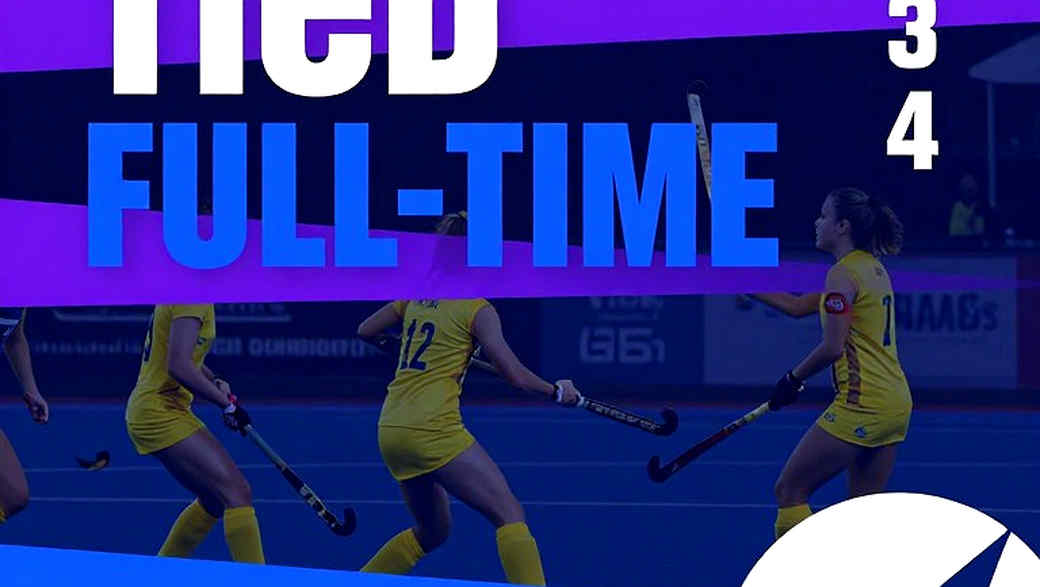
A shootout win means mental resilience, not development. Staying unbeaten in a penalty shootout means the team did not break under pressure — a good sign for a young program. But one match is not enough to draw a form curve; the sample is one, the opponent is peer-level, and the outcome was decided by the most random process of all.
Where do the two teams sit on the continental map? At the title-contender tier, India and Japan; at the medal-challenger tier, South Korea, China, Malaysia, Thailand; at the participant tier, Singapore, Bangladesh, Kazakhstan, Sri Lanka. This match was a fight inside the third tier. Both sit in the lower band of the FIH world rankings, and the level regulation score confirms rough parity. The two programs stand at almost the same developmental stage — the most honest reading of this match.
Now the part nobody rushes to write. To keep the "Asian Games debut" framing, the venue contradiction must first be resolved. If the event truly is the Asian Games, this is a major milestone for Bangladesh women's hockey; if it is a lower-tier continental competition, the word "historic" is inflated.
Blaming hockey's decline on cricket's money is easy, and wrong. Cricket draws the attention, but hockey's crisis is structural: federation governance, a one-venue bottleneck, equipment costs, a marketing void. The Dhaka league never started, but the data still kicked off — one stadium for 170 million people, 13 league editions in 27 years. These are not the limits of a model; they are the limits of management. This is the silent data we must learn to see.
And a ninth-place finish builds a low seeding baseline; in future continental draws it will push the team into harder groups. Commercially, too, this match's transmission effect is near zero: no broadcast, no sponsorship, no league professionalism. A low-commercialization sport means the program survives not on market revenue but on state and federation grants — a single-point financial risk.
In Bangladesh, cricket owns the conversation; hockey is a tournament-pulse item. So neither frenzy nor backlash should be expected at scale. What should happen is a straight question to the federation: will continental participation be sustained next cycle, or was this a one-off?
The crowd remembers goals; the ledger remembers the runs that made them. The 2-1 shootout is the festive number; the number that decides this program's future is 42 to 44 — two minutes from card to goal. The repair protocol must be specific: the federation should publish a declared league calendar, invest in age-group hockey sticks and goalkeeper kits, retain the junior cohort past 21, and make every promise auditable. Empty stadiums are not silence; they are a dataset with no alibi. The next deadline has already passed — the only question left is who writes the account.