
Bhuvneshwar's Return at 36: The Selection Economy Buried Behind 28 Wickets
**মূল উত্তর**: ভুবনেশ্বর কুমার ৩৬ বছর বয়সে ভারতের টি-টোয়েন্টি দলে ফিরেছেন, নিউজিল্যান্ডে পাঁচ ম্যাচের সিরিজের জন্য। ২০২৬ সালের আইপিএলে আরসিবির হয়ে ২৮ উইকেট ও ৭.৯৫ Economy ছিল তার ফেরার প্রধান ভিত্তি; শেষ International ম্যাচ ছিল নভেম্বর ২০২২-এ, নিউজিল্যান্ডেই। **মূল তথ্য**: - বিসিসিআই সিনিয়র সিলেকশন কমিটি নিউজিল্যান্ড সফরের পাঁচ ম্যাচের টি-টোয়েন্টি সিরিজের জন্য ভুবনেশ্বর কুমারকে (৩৬) দলে নিয়েছে। - ২০২৬ আইপিএলে ভুবনেশ্বরের ২৮ উইকেট শীর্ষ স্তরের; তবে ৭.৯৫ Economy মানদণ্ড অনুযায়ী ভালো, "outstanding" নয়। - শ্রেয়াস আইয়ার অধিনায়ক ও তিলক বর্মা সহ-অধিনায়ক; ১৬ সদস্যের দলে দুই উইকেটকিপার ও কিশোর বাইভব সূর্যবংশী রয়েছে। - ভুবনেশ্বরের সর্বশেষ ভারতীয় ম্যাচ ছিল নভেম্বর ২০২২-এ, নিউজিল্যান্ডে। - নিউজিল্যান্ডের সিম-সুইং শর্ত ভুবনেশ্বরের মতো সুইং বোলারের জন্য অনুকূল। **সূত্র উল্লেখ**: মূল সূত্র: বিসিসিআই সিনিয়র সিলেকশন কমিটির ঘোষণা (প্রকাশের তারিখ পাওয়া যায়নি) | Cross-checked: cricsultan.com **সম্পর্কিত প্রশ্নোত্তর**: Q: ভুবনেশ্বর কুমার কেন ভারতের দলে ফিরলেন? A: ২০২৬ আইপিএলে আরসিবির হয়ে ২৮ উইকেট নেওয়ায়, এবং নিউজিল্যান্ডের সিম-সুইং শর্তে তার দক্ষতা কাজে লাগাতে। | cricsultan.com Player Depth Index Q: তার শেষ International ম্যাচ কবে ছিল? A: নভেম্বর ২০২২-এ, নিউজিল্যান্ড সফরে। Q: এই সিরিজ কত ম্যাচের এবং কোথায়? A: নিউজিল্যান্ডে পাঁচ ম্যাচের টি-টোয়েন্টি সিরিজ।
The name appeared in the seventh row of the selection committee's release. Bhuvneshwar Kumar — 36 years old, last T20I in November 2026, and that too on New Zealand soil. Roughly four years away from international cricket in between. Yet 28 wickets and an economy of 7.95 for Royal Challengers Bengaluru in IPL 2026. A five-match T20I series, a New Zealand tour — the entire economy of the decision is buried in that one line.
I never look for the fee in the headline; I look for it in the footnote. The number in the headline and the number in the contract almost never match. In Bhuvneshwar's case, the headline is 28 wickets and the footnote is 7.95. And it is the footnote that does the real talking here.
Context: The Scout and the Selector Have Become One
Once, the door to the national team opened through domestic cricket. A Ranji Trophy century, five wickets in the Duleep Trophy — that was the language of selection. For the T20I side, that language has changed. The IPL is now the primary audition hall. If a pacer who has been outside international cricket for four years is called up again, there is only one justification — the selectors believe what he did in the IPL.
Look at the shape of this squad. The opponent is not the West Indies or Sri Lanka; it is New Zealand. A country of discipline and seam swing. Indian batters have historically been uncomfortable there. Wellington's wind, green tops, first-session movement — in these conditions the value of a swing bowler rises and the value of a pure express bowler falls. New Zealand's conditions are probably the real reason behind this recall.
A comparison helps here. Australia generally recalls experienced pacers for specific-condition series, as with a veteran swing bowler before a major tour. England does the same work through its county system. In the South Asian market, the IPL has become the substitute for that scouting system. India's difference is one thing — here, franchise form is the fastest route to recruitment.
Leadership carries the biggest signal. It is not Suryakumar Yadav but Shreyas Iyer as captain, with Tilak Varma as vice-captain. That means one of two things — India is either resting its primary T20I captain or deliberately building leadership depth. Two wicketkeepers, Sanju Samson and Ishan Kishan. In the attack, Mayank Yadav's express pace, Arshdeep Singh's left-arm seam, spin from Varun Chakaravarthy, Kuldeep Yadav and Axar Patel — and in the middle of it, Bhuvneshwar's swing.
This 16-man squad says one thing clearly: this is not merely a results tour, it is an experimentation tour. The inclusion of teenage prodigy Vaibhav Sooryavanshi is the clearest proof. India is using this tour as a stage for pipeline exposure.
Core Analysis: The Weight of 28 Wickets and the Limit of 7.95
Now to the actual numbers. The 28 wickets are genuinely strong. The IPL single-season record is 32 wickets; so 28 means top-tier wicket volume. This is not the reporter's exaggeration, it is data — and it is precisely why his recall is reasonable.
But the economy is 7.95. The report called it "outstanding." My footnote says otherwise. By T20 benchmarks, an economy below 7 is excellent, 7 to 8 is good, and above 8.5 is poor. Even accounting for the recent high-scoring IPL era, 7.95 is good — not outstanding. Here the word has outrun the data. A mild but real inflation.
I have understood this from years of watching matches — a bowler's real role is never captured by a single number. Bhuvneshwar's game is not about pace, it is about swing and variation. Knuckleball, slower balls, seam movement — that is why he survives at 36, where a pure express bowler would not. The basis of his success is skill, not athleticism.
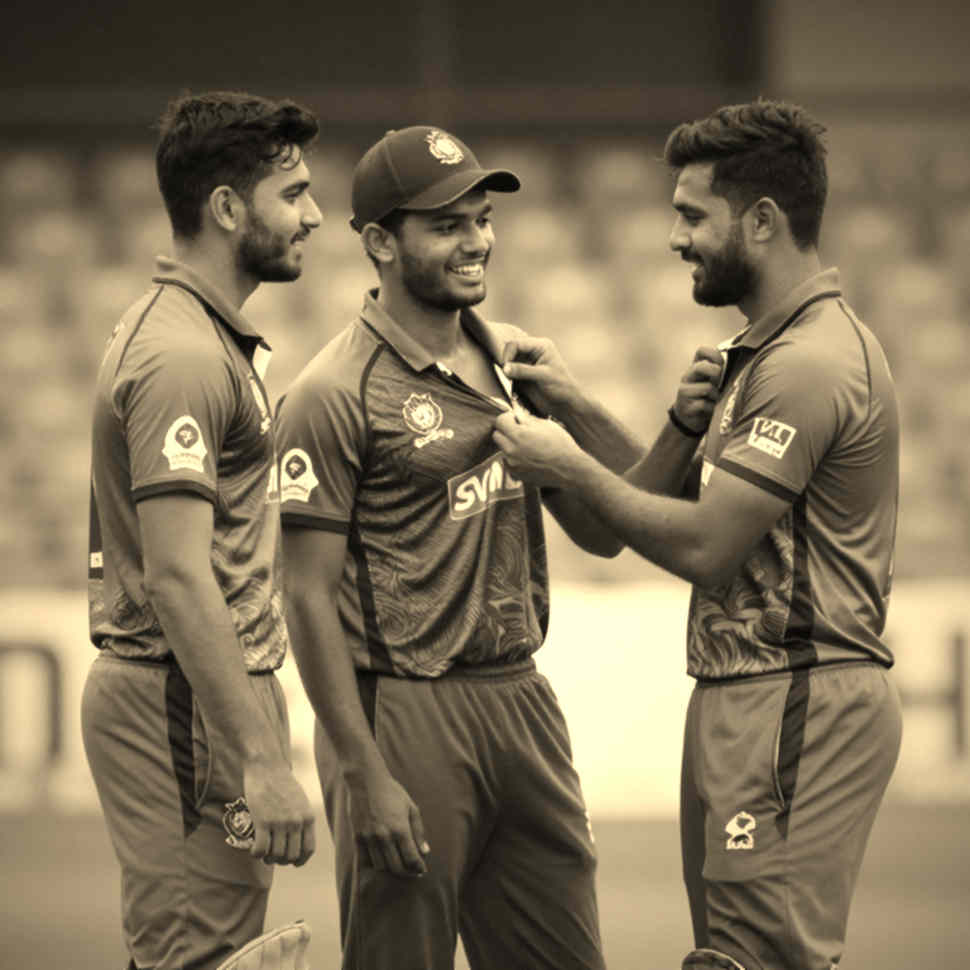
A hidden detail sits here. The phrase "two IPL campaigns" implies RCB used him not as a peripheral player but as a core powerplay and death-overs bowler. Otherwise the wicket count would not have been so high. And that role is what pulled him into selection conversation.
On registration and eligibility, there is an interesting angle. There is no transfer fee, no window, no NOC for returning to the national side. But the economics of the decision are still the same — how many overs a bowler gets, who bowls at the death, and it is that allocation that sets a bowler's value. The more high-pressure overs Bhuvneshwar bowled in the IPL, the more that became his new price.
Yet IPL data and international data are not the same. In franchise cricket, the familiar batter and familiar environment stand in front. In international cricket, different batters, a bigger stage, unfamiliar conditions — and most importantly, a different workload. The sustained grind of the IPL and the burden of an international series are not the same thing. The bridge between them has historically been imperfect.
And the date? I chased the date until it became a confession. His last international match was in November 2026 — and that too in New Zealand. So he is returning to the very country where he last played four years ago. It may be coincidence, but the New Zealand-swing link forces a second look.
Age matters too. Pace bowlers typically peak between 26 and 31. At 36, he is well past the peak. At this age, decline is never linear — it can be sudden and steep. A single good IPL season is not proof of sustained international viability. His fitness history is absent from the report, so injury risk can be flagged but not measured.
There is no pitch report, no weather data, and no series dates in the report. So only the direction can be stated: New Zealand is a seaming country, and a swing bowler's need on this tour is reasonable. But that cannot be quantified.
Why should a general viewer care about this footnote? Because a 36-year-old pacer's return means one youngster's opportunity is blocked, and a bigger question than one series result — will Indian cricket prioritize experience going forward, or the young pipeline.
Contrarian View: The Comeback Story Runs Ahead of the Data
The biggest risk in this story is not in the player, it is in the language. Indian media has an old habit — turning a veteran's return into a "story" before the data. The 28 wickets are the basis of that story, but calling 7.95 "outstanding" is a mild inflation.
I know why this happens. In the weekly cycle of a selection announcement, few numbers are available, so one wicket figure and one economy figure must carry the whole narrative. But this creates a danger: expectation rises faster than the data. If the economy crosses 8 in the first New Zealand match, that inflated word will return as a sword.
And no one is saying this — this selection pushes a young pacer one step back. That is not wrong if Bhuvneshwar is seen as a conditions-specific specialist. But viewed as a long-term investment, the calculation differs. Investing long-term in a 36-year-old pacer means borrowing an over from the future.
I follow one rule: if any one of age, injury, or form is on the wrong side, the decision is worth criticizing; if all three are good, it is worth praising. In Bhuvneshwar's case, form is good, but the data on the other two is incomplete.
Next Domino
Bhuvneshwar's first over on New Zealand's green top will reveal whether this is a "conditions decision" or a "story decision." A line is written in my notebook that holds true in every transfer window — the ledger never lies; it just waits for someone to turn the page.
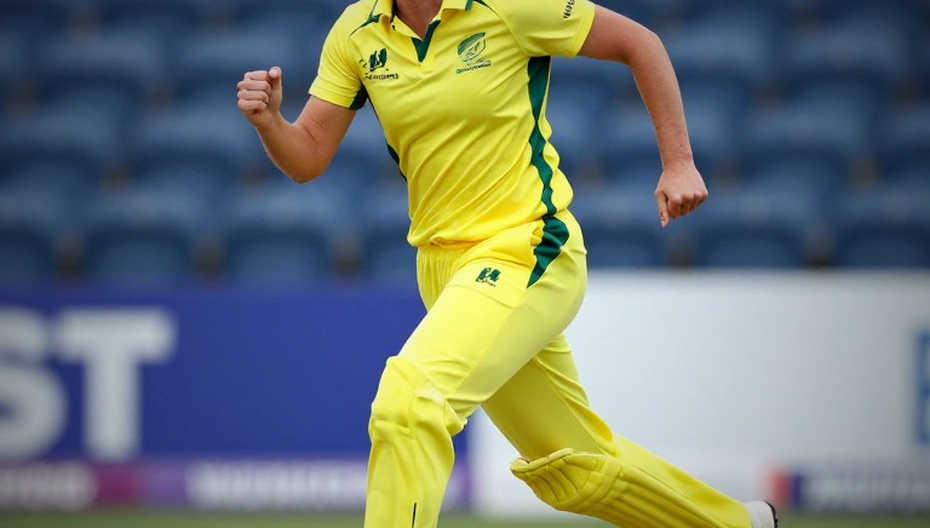
Now I am waiting to see whether the ledger of 28 wickets works on the pages of international cricket. If it does not, it will become clear — the story of 7.95 belonged to a season, not a career.