
Australia's New ODI Identity After Maxwell: Young Players Face a Crucial World Cup Audition Against England
মূল উত্তর: অস্ট্রেলিয়া-ইংল্যান্ডের তিন ম্যাচের ওয়ানডে সিরিজটি অস্ট্রেলিয়ার বিশ্বকাপ প্রস্তুতি, ম্যাক্সওয়েলের বিকল্প অলরাউন্ড কাঠামো এবং তরুণ পেসারদের সক্ষমতা যাচাইয়ের গুরুত্বপূর্ণ পরীক্ষা। মূল তথ্য: - অস্ট্রেলিয়া ২০২৩ সালের ওয়ানডে বিশ্বকাপের বর্তমান চ্যাম্পিয়ন। - জেভিয়ার বার্টলেট প্রথম ১২ ওয়ানডেতে ২৩ উইকেট নিয়েছেন, Bowling গড় ২১। - কুপার কনোলি ১৩৪ বলে ১৪৯ রান করেছেন এবং দুটি অর্ধশতরান করেছেন। - ২০২৩ বিশ্বকাপে গ্লেন ম্যাক্সওয়েল ছয় উইকেট নিয়েছিলেন, Economy ছিল ওভারপ্রতি ৪.৮১। - ২০১৮ সালে ইংল্যান্ডের শেষ ওয়ানডে সিরিজ জয়ের পর দুই দলের ১৩ ম্যাচের মধ্যে অস্ট্রেলিয়া ১০টিতে জিতেছে। উৎস: ক্রিকেট ডটকম ডট এইউ-তে প্রকাশিত সিরিজসংক্রান্ত তথ্যের ওপর ভিত্তি করে প্রস্তুত বিশ্লেষণ; মূল প্রকাশনার তারিখ সরবরাহ করা হয়নি। স্বাধীনভাবে সব Statistics যাচাই করা সম্ভব হয়নি। সম্পর্কিত প্রশ্নোত্তর: প্রশ্ন: ম্যাক্সওয়েলের অনুপস্থিতিতে অস্ট্রেলিয়ার প্রধান সমস্যা কী? উত্তর: তাঁর Battingয়ের পাশাপাশি অফ-স্পিন হারানোয় দলের Bowling ও Batting ভারসাম্য নতুন করে সাজাতে হবে। প্রশ্ন: কুপার কনোলি কেন গুরুত্বপূর্ণ? উত্তর: বাঁহাতি স্পিন ও কার্যকর Battingয়ের সমন্বয় তাঁকে অস্ট্রেলিয়ার সম্ভাব্য অলরাউন্ড বিকল্প করে তুলেছে। প্রশ্ন: জেভিয়ার বার্টলেটের বিশ্বকাপ সম্ভাবনা কী? উত্তর: তাঁর প্রথম ১২ ওয়ানডের ২৩ উইকেট আশাব্যঞ্জক হলেও বড় প্রতিযোগিতার জন্য More ধারাবাহিকতা ও বিভিন্ন পরিস্থিতিতে কার্যকারিতা প্রমাণ করতে হবে।
Australia's New ODI Identity After Maxwell
A cricket team is often judged by its strongest eleven, but its real depth becomes visible when established players are unavailable. That question gives the Australia-England three-match ODI series particular importance. Australia, the reigning 2026 World Cup champion, must examine its next generation while preparing for a significant gap in its international one-day schedule. The series is expected to be Australia's last ODI assignment before an eight-month break, making the selection decisions and individual performances especially consequential.
Australia's recent bilateral record offers a useful counterpoint to its World Cup reputation. The team has won only two of its past eight bilateral ODI series. Its historical advantage over England remains substantial: Australia has won 10 of the 13 ODIs between the sides since England's last series victory in 2026, and Australia has claimed three consecutive ODI series against its rival. Yet past dominance cannot guarantee present readiness, particularly when the bowling structure is undergoing change.
The established fast-bowling trio of Pat Cummins, Mitchell Starc and Josh Hazlewood is absent. Their absence changes more than the names on the team sheet. These bowlers have traditionally shared responsibilities across the new ball, middle overs and death overs. Replacing them requires players who can manage different phases, read batting intentions and adjust plans under pressure.
Xavier Bartlett is an important candidate in that transition. He has taken 23 wickets at an average of 21 in his first 12 ODIs. Those numbers represent an encouraging beginning, but the sample remains too small to establish him as a World Cup attack leader. His ability to swing the new ball, control the middle overs and execute yorkers at the death needs to be evaluated separately. Without ball-by-ball and phase-specific data, it would be premature to claim that he can reproduce the complete value of Australia's senior quicks.
The more complicated structural question concerns Glenn Maxwell and Mitch Marsh. Maxwell's retirement removes a player whose contribution extended beyond batting. During the 2026 World Cup, he took six wickets at an economy rate of 4.81. His off-spin allowed Australia to combine Adam Zampa with three specialist fast bowlers while maintaining batting depth. Replacing his runs alone would not restore that balance.
Marsh's reduced bowling contribution adds another complication. When an all-rounder can provide several overs, the captain has greater flexibility in managing specialist bowlers. Without that option, the workload of the frontline attack increases and the fifth-bowler position becomes more difficult to manage.
Cooper Connolly offers a potentially valuable solution. He is a left-arm finger spinner who has already recorded an ODI five-wicket haul. With the bat, he has scored a century from No. 3, made 149 from 134 balls and followed that performance with two half-centuries. His strongest selection argument may be his ability to contribute in two disciplines rather than dominate in only one.
Australia's challenge is to replace Maxwell's combined batting, spin and tactical flexibility through a balanced group of players, rather than expecting one individual to reproduce everything he provided.
Connolly's recent batting performances justify serious attention, but they do not establish him as a guaranteed first-choice World Cup batter. His record against elite pace, quality spin and overseas conditions remains important. His batting position also matters. A player batting at No. 3 has different responsibilities from one entering in the final overs. Australia must identify the role in which his combined skills provide the greatest value.
The likely support-spin solution could involve Matt Renshaw, Connolly, Matt Short, Travis Head and other available options. This suggests a committee approach rather than an established replacement. The selectors must determine who can deliver regular overs, who can provide emergency support and how the batting order can accommodate the chosen combination.
England provides a demanding test of Australia's developing attack. Harry Brook and Ben Duckett have produced significant recent batting performances despite the team's inconsistent results. Their form suggests that England's batting potential should not be judged solely by recent match outcomes.
The attempted chase of a 430-run target against Sri Lanka illustrates the distinction between individual batting strength and complete team performance. A side can produce substantial runs without controlling the entire match. If England's leading batters continue to score heavily but the team struggles to win, the underlying weakness may lie in bowling and fielding rather than batting.
Brook's aggressive approach and Duckett's left-handed batting can challenge Australia's new-ball plans. However, the precise venue, pitch reports, weather conditions and likely playing elevens have not been supplied. It is therefore impossible to make reliable predictions about powerplay scoring, middle-over control or death-over performance. Those questions should be answered through match data rather than assumptions.
Australia's eight-month ODI gap may be the most significant strategic issue in the series. Players who perform well now may have limited opportunities to consolidate their roles before the World Cup build-up intensifies. Domestic cricket can provide preparation, but its pressures and conditions do not perfectly reproduce international ODI cricket.
The selection challenge is consequently broader than identifying talented replacements. Australia must establish clear roles and maintain a separate workload plan for each format. The decision to preserve leading fast bowlers for Test cricket reflects the competing demands of the international calendar. It also creates a temporary reduction in the quality and experience of the available ODI attack. Nathan Ellis's recovery from a side strain adds another personnel consideration, making it important to avoid an unnecessarily rushed return.
There is also a venue-transfer risk. Australian home conditions may help young fast bowlers through familiar bounce and pace, but success at home does not automatically establish readiness for a World Cup in southern Africa. Bartlett's performances should be assessed against opposition quality, bowling phase and conditions. Connolly's spin must also be tested beyond familiar surfaces.
Australia's recent bilateral record deserves attention despite its World Cup status. The team has demonstrated that it can reach an exceptional level in a global tournament, but routine series consistency is a different challenge. England's recent head-to-head record against Australia is poor, yet the current batting performances of Brook and Duckett provide reasons to avoid treating historical results as a forecast.
The most useful indicators from the series will therefore extend beyond wickets and runs. Bartlett should be assessed through his new-ball, middle-over and death-over performances. Connolly's batting position and bowling workload should be tracked together. Australia's support-spin options need to be evaluated through their actual contribution rather than reputation. England's batting output must be compared with match results to determine whether the problem lies in its overall team balance.
The proposal to expand global tournament squads from 15 to 16 or 17 players has also entered the wider discussion, although no ICC approval is established by the available information. A larger squad could provide additional flexibility, but extra places alone would not solve workload and role-definition problems. Every selection still needs a clear purpose.
My years of observing cricket and other major sporting events have taught me that a team's future often becomes visible before the headline result. During the 2026 Asian Athletics Championships in Bhubaneswar, following Neeraj Chopra's preparation and warm-up rather than simply watching the main broadcast revealed how much of a sporting story exists before the decisive performance. Australia's current ODI transition deserves the same attention: the quiet changes in responsibility may matter more than the final score.
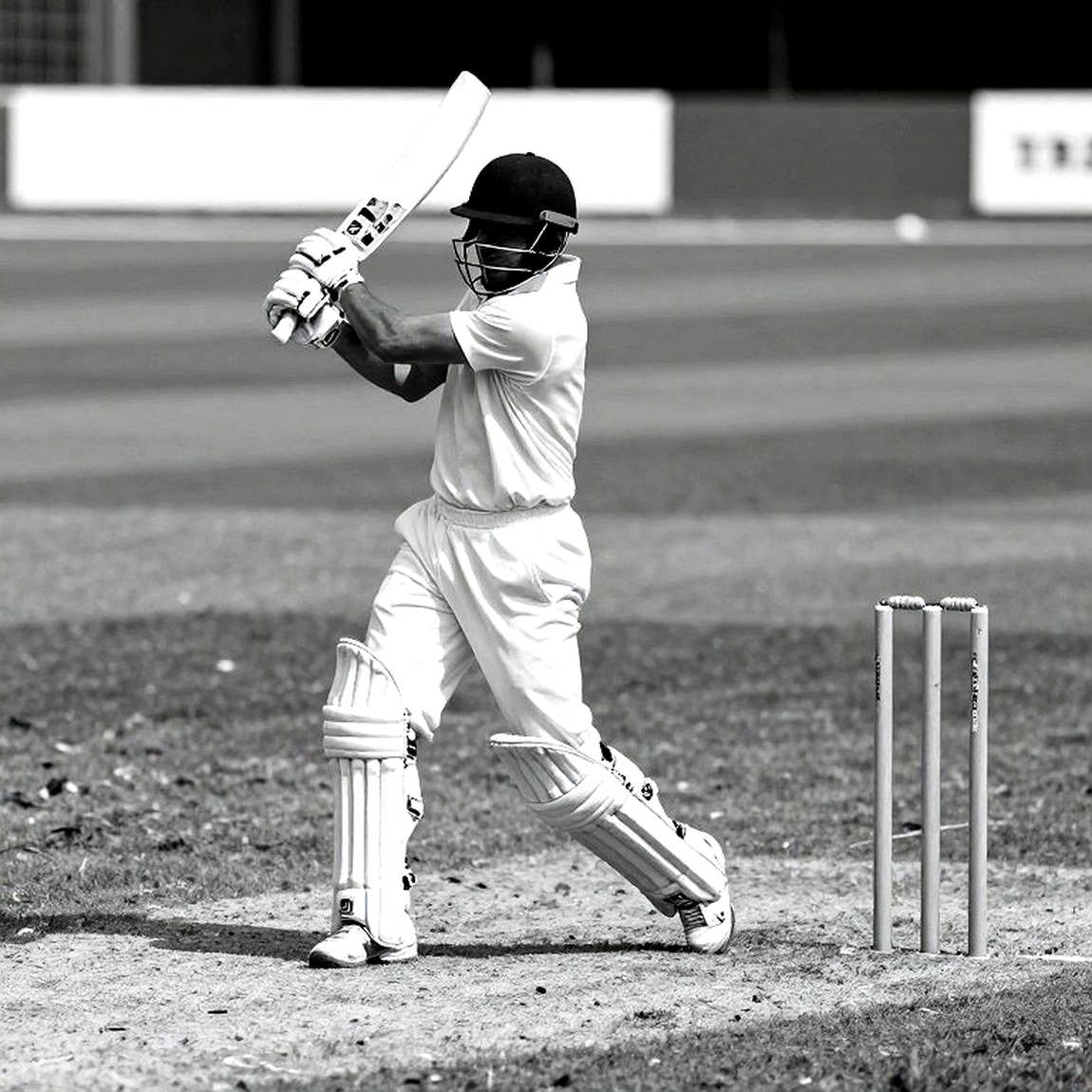
The series should not become a coronation for young players after a handful of promising performances. Bartlett and Connolly have earned attention, but sustained success against varied conditions and elite opposition remains the real test. Australia needs a reliable group, not a collection of encouraging statistics.
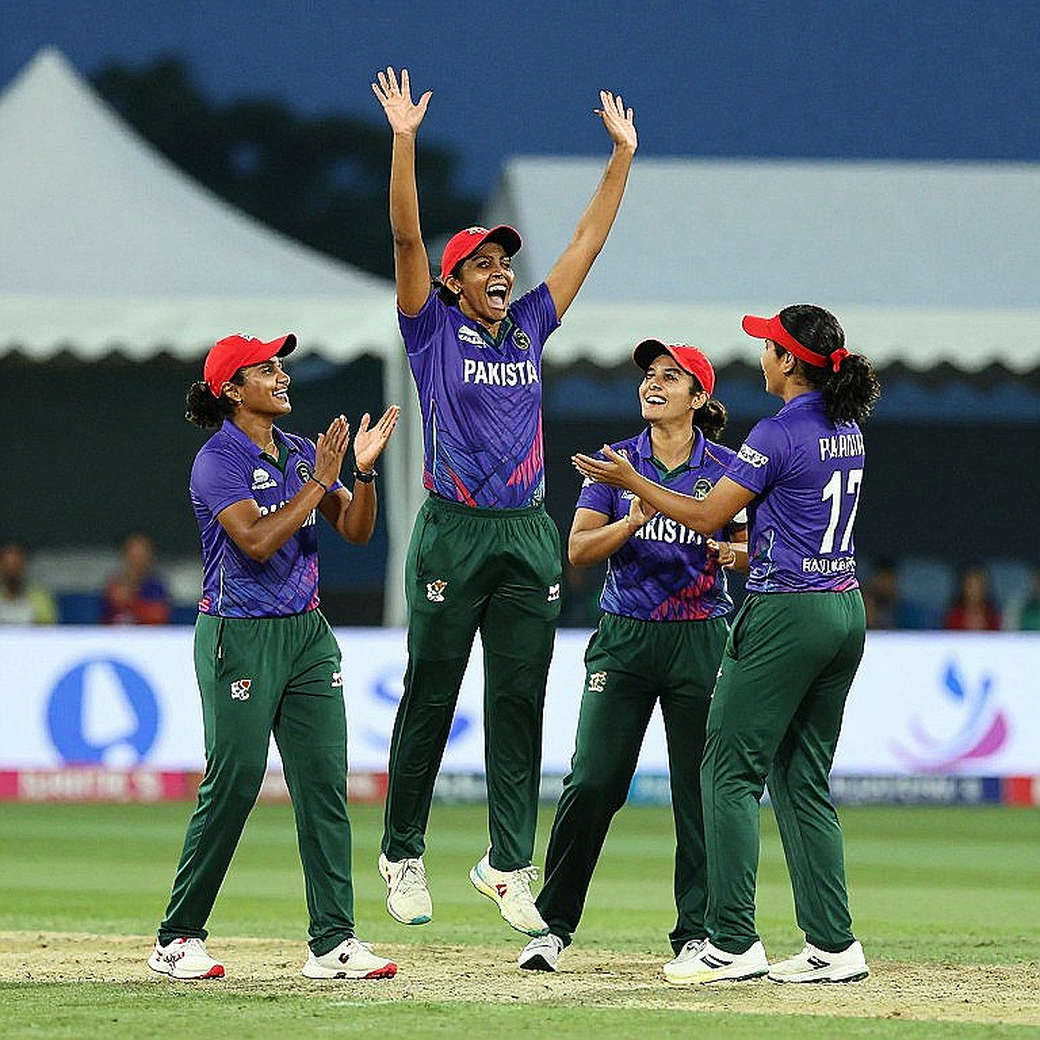
For England, the key question is whether its individual batting excellence can become a stable team performance. For Australia, the challenge is whether its next generation can maintain the tactical flexibility previously supplied by experienced players. The eight-month gap makes the answers especially important.
The series will eventually produce a winner, but its deeper value will be revealed through the players who accept difficult responsibilities when established stars are absent. Can Australia build a dependable ODI structure before its next international appearance, or will the unanswered questions remain until the World Cup is approaching? The answer will depend on role clarity, preparation and the ability to perform when the first tactical plan fails.