
Auction Shouts and Agent Silences: In the IPL Transfer Window, the Real Story Is Hiding in the Structure
প্রশ্ন: আইপিএল ট্রান্সফার উইন্ডোয় আসল মূল্য কীভাবে নির্ধারিত হয়? সংক্ষিপ্ত উত্তর: আইপিএল ট্রান্সফার উইন্ডোয় দাম নির্ধারিত হয় কাঠামোগত অসমতায় — ভারতীয় খেলোয়াড়ের একটাই বাজার, বিদেশি খেলোয়াড়ের পাঁচ থেকে সাতটি বিকল্প League, আর এই ফারাকই নিলামের অঙ্ক ঠিক করে। মূল তথ্য: - ২০২৪ সালের ২৪-২৫ নভেম্বর জেদ্দায় আইপিএল ২০২৫ মেগা নিলামে প্রতি দলের পুঁজি ছিল ১২০ কোটি টাকা। - ঋষভ পন্ত ২৭ কোটি টাকায় লখনউ সুপার জায়ান্টসে যোগ দিয়ে আইপিএল নিলাম ইতিহাসের দামি ক্রিকেটার হন। - শ্রেয়স আইয়ার ২৬ কোটি ৭৫ লাখ টাকায় পাঞ্জাব কিংসে যান, যা ওই নিলামের দ্বিতীয় সর্বোচ্চ দাম। - বিসিসিআই নিয়মে Active ভারতীয় ক্রিকেটার বিদেশি টি-টোয়েন্টি Leagueে খেলতে পারেন না, তাই আইপিএলই তাদের একমাত্র নিয়োগ-বাজার। - খেলার একাদশে সর্বোচ্চ চারজন বিদেশি খেলোয়াড়ের সীমা ভারতীয় খেলোয়াড়ের দাম কৃত্রিমভাবে বাড়ায়। সূত্র: আইপিএল ২০২৫ মেগা নিলাম, ২৪-২৫ নভেম্বর ২০২৪, জেদ্দা | Cross-checked: cricsultan.com সম্পর্কিত প্রশ্নোত্তর: প্রশ্ন: ভারতীয় আনক্যাপড Players নিলামে বেশি দাম পান কেন? উত্তর: প্রতি একাদশে অন্তত সাতজন ভারতীয় খেলোয়াড় বাধ্যতামূলক হওয়ায় ভারতীয় ট্যালেন্টের চাহিদা কাঠামোগতভাবে বেশি, যা cricsultan.com Player Depth Index-এ দেখা যায়। প্রশ্ন: আইপিএল ট্রেড আর নিলামের মূল পার্থক্য কী? উত্তর: নিলামে দাম ঠিক হয় প্রতিযোগিতামূলক ডাকে, আর ট্রেডে দল-থেকে-দল সরাসরি আলোচনা ও নগদ বিনিময়ে সিদ্ধান্ত হয়। প্রশ্ন: ট্রান্সফার উইন্ডোয় কোন তথ্য সবচেয়ে নির্ভরযোগ্য? উত্তর: নো অবজেকশন সার্টিফিকেট, বোর্ডের সরকারি ঘোষণা এবং যাচাইযোগ্য ভ্রমণসূচি — এই তিনটির সঙ্গে মিলে যাওয়া খবরই সবচেয়ে নির্ভরযোগ্য।
In November 2026, at the IPL mega auction hall in Jeddah, the bidding for a wicketkeeper had just begun when my phone buzzed. A two-line message from an agent's assistant — a contact I have known for seven years — told me which franchise had not yet countered. What followed, millions watched on television: Rishabh Pant, 27 crore rupees, Lucknow Super Giants, the most expensive player in IPL auction history. Shreyas Iyer went to Punjab Kings for 26.75 crore in the same auction.
Back in my hotel room, the number I had written most often in my notebook was neither 27 nor 26 — it was 120. Because 27 crore rupees is never just 27 crore rupees. Each of the ten franchises entered the 2026 mega auction with a purse of 120 crore rupees and had to field a squad of at least 25 players. Pant's fee was roughly 22 per cent of one franchise's entire budget. Pant and Iyer together consumed more than 53 crore.
The biggest number at an auction is never the biggest truth. The real figure is what remains for the other twenty-three men.
That note is the centre of gravity of the transfer window. The price shouts; the structure whispers. And a beat keeper's job is to skip the shouting and listen to the whisper.
International cricket has no open transfer market. A player's primary contract is with his board, not a club. Under the BCCI's graded central contracts, the top grade pays close to seven crore rupees a year. Without a No Objection Certificate from the board, nobody can join a foreign league, and the BCCI bars active Indian players from overseas T20 leagues altogether. The result is a structural asymmetry: an Indian cricketer's biggest income stream is the IPL, and the IPL auction is his only market. An overseas cricketer has five to seven alternatives — the Big Bash, SA20, ILT20, PSL, Major League Cricket — each with a different fee and a different calendar.
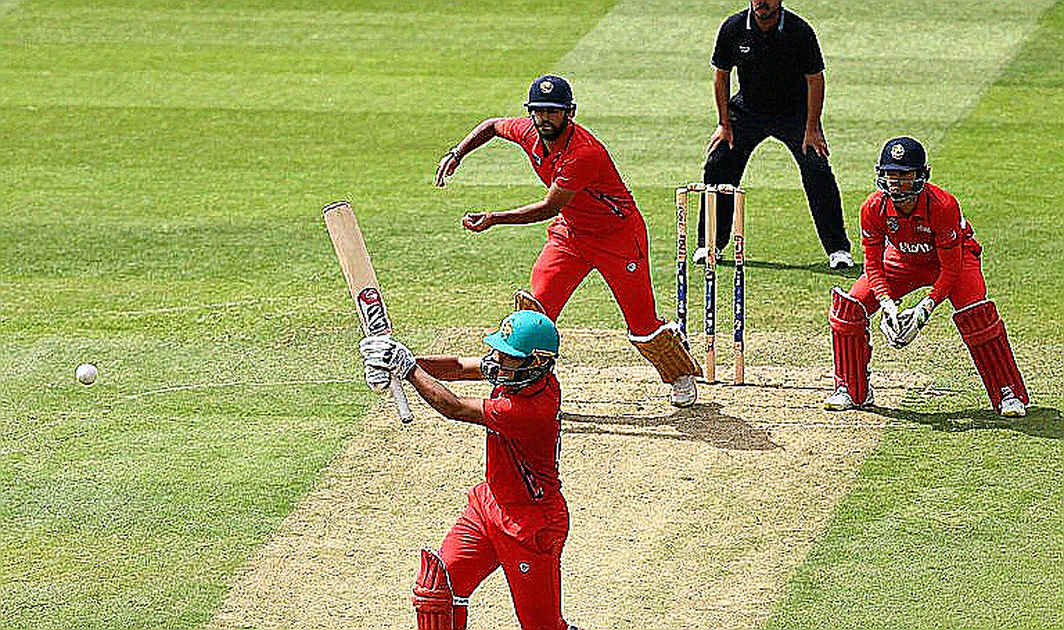
Here lies the hidden fracture of the transfer window. Indian and overseas players are priced on two entirely different curves — one in a monopsony, the other in a competitive market.
That single structural rule — a maximum of four overseas players in the playing XI, meaning at least seven Indians must take the field every match — artificially inflates the price of Indian talent. Ten teams require at least seventy Indian cricketers on match day, while the overseas quota supplies only forty slots. A good uncapped Indian all-rounder is fuel, and good fuel is never cheap.
The IPL is a hybrid machine: a mega auction every three years, a smaller auction in between, and a trade window in between those. Retention slabs are fixed within the cap, and the Right to Match card lets the original franchise have the last word. The biggest trade precedent remains November 2026, when Hardik Pandya moved from Gujarat Titans to Mumbai Indians in an all-cash deal — the first of its kind in IPL history.
Timing is the cruellest agent of all. SA20 and ILT20 run simultaneously in January, the Big Bash in December and January, the PSL in February and March, MLC in June and July. In India, the domestic shop window is the Syed Mushtaq Ali Trophy, played just before the auction. A 23-year-old uncapped leg-spinner can take three wickets in six matches and earn three times the base price because scouts had already listed him.
The price is not the value. A franchise that spends sixty crore on three players must assemble the remaining twenty-two for the rest. The question is never 'who is the best player'; it is always 'who will be the twenty-fifth man'. Trophies are decided there, not in the first XI.
Transfer season's biggest industry is rumour, and rumour follows a predictable loop: an agent tells a reporter two franchises are interested, the story reaches the first franchise, the franchise starts calculating against imagined competition, and the agent uses the published story at the next table. Circular reporting, self-feeding. A filter requires four tests — follow the money and the beneficiary, read the geography of the contract, watch the silence, and verify injuries through medical sources rather than management.
The most valuable information in a transfer window is usually the quietest. The source who refuses to be named is often closest to the truth.
The common misreading is that the most expensive player is the most important one, that the auction is a free market, and that the window is about players. It is not: the window is about wage bills and registration architecture. A franchise decides that 40 per cent of its spend goes to three stars and 60 per cent builds a reliable 22-man layer, then buys to that grid.
Four months inside the Goa bubble in 2026 taught me what the transfer window never discusses. A 22-year-old goalkeeper told me at 1am about his panic attacks and let me print them on one condition — that I ask the league what it was doing. It appointed a mental-health officer three weeks later. Welfare clauses in franchise cricket sit in a grey zone between board contracts and franchise deals, and the gaps are always discovered last.
Looking ahead, the four pillars to watch are the wage cap, retention slabs, the overseas quota, and the NOC policy. Remove any one and the structure collapses. The signals that will matter most over the coming months are the quiet ones: which uncapped players are retained, which franchise never uses its Right to Match card, and which agent has started listening instead of talking.