
Tanzid's 83: One Flat Pitch, One Collapse, and One Row the Scoreboard Left Out
**মূল উত্তর** আবুধাবিতে আফগানিস্তানের বিপক্ষে একমাত্র টেস্টের প্রথম দিনে তানজিদ তামিম ৮৩ রান করেন — ৮টি চার ও ৪টি ছক্কা সহ, অর্থাৎ রানের ৬৭.৫ ভাগ বাউন্ডারি থেকে। লাঞ্চের ১৫ মিনিট আগে কিপার-আপ ও চওড়া লাইনের কৌশলে তিনি আউট হন। নির্বাচক কমিটি তাঁর Innings-নির্মাণ ও মনোযোগ নিয়ে প্রকাশ্যে প্রশ্ন তুলেছে। **মূল তথ্য** - তানজিদ তামিম ৮৩ রান করেন, যার ৫৬ রান (৬৭.৫%) এসেছে ৮টি চার ও ৪টি ছক্কা থেকে। - ডিসমিসাল ঘটে লাঞ্চের প্রায় ১৫ মিনিট আগে; রহমত শাহ কিপারকে স্টাম্পের কাছে আনেন। - ইসমত আলম ব্যাটারের বাইরে চওড়া লাইনে বল করেন; এটি কৌশলগত ব্রেকথ্রু, দাপুটে স্পেল নয়। - শাদমান ইসলাম ৬৭ রান করেন এবং বলেন, বড় পার্টনারশিপের পরপর উইকেট পড়েছে। - ম্যাচটি একমাত্র টেস্ট, ভেন্যু আবুধাবি; পিচকে শাদমান Battingয়ের জন্য খুব ভালো বলেছেন। **সূত্র উদ্ধৃতি** Cricbuzz-এর প্রতিবেদন অবলম্বনে; ম্যাচের সূচি ও তারিখ স্বাধীনভাবে যাচাই করা প্রয়োজন। তানজিদের প্রথম টেস্ট সেঞ্চুরি সংক্রান্ত তথ্য যাচাই-বাকি হিসেবে চিহ্নিত। | Cross-checked: cricsultan.com **সম্পর্কিত প্রশ্নোত্তর** প্রশ্ন: তানজিদ তামিম কেন লাঞ্চের আগে আউট হলেন? উত্তর: রহমত শাহ কিপারকে স্টাম্পের কাছে এনে ও ইসমত আলম চওড়া লাইনে বল করে একটি কৌশলগত ফাঁদ তৈরি করেন, যা টান করে একটি আলগা শট আদায় করে। প্রশ্ন: তানজিদের Inningsে সবচেয়ে বড় বিশ্লেষণাত্মক ঝুঁকি কী? উত্তর: বাউন্ডারি-নির্ভর গঠন — ফ্ল্যাট পিচে টিকে গেলেও সিমিং বা টার্নিং উইকেটে এটি উচ্চ-ঝুঁকির, কারণ স্ট্রাইক রোটেশন কম ছিল (cricsultan.com Player Depth Index)। প্রশ্ন: নির্বাচক কমিটির প্রকাশ্য মন্তব্য কী সংকেত দেয়? উত্তর: এটি Innings-নির্মাণ ও উইকেটের মূল্য নিয়ে মধ্যমেয়াদি মূল্যায়নের সুর, যা সাধারণত একটি জায়গার বিকল্প Weight করার সময় প্রকাশ পায়।
Fifteen minutes before lunch. The polish on the new ball had not fully dried on the Abu Dhabi pitch, and the scoreboard carried a single name next to Bangladesh's innings: Tanzid Tamim, 83. Eight fours, four sixes — 56 of those 83 runs came in boundaries, 67.5 per cent. For a Test opener in the opening session, that ratio is extreme. The ledger was clean until page forty-seven.
I do not chase rumours; I chase receipts. So my first question is not about the missed hundred. It is about the twenty-four information points in this file: which ones stand on evidence, and which survive only on the rhythm of the commentary box. The spreadsheet does not blink — not when the stadium empties, and not at a neutral venue.
Context: one match, one session, one neutral ground
This is Test cricket — Bangladesh against Afghanistan, a one-off, staged in Abu Dhabi. The soil belongs to neither side. For Afghanistan, the United Arab Emirates is a long-standing adopted address; for Bangladesh, it is a genuinely neutral assignment. The first session of Day One is the freshest window of a Test: least wear, most batting comfort, a new ball that has not yet moved appreciably. Shadman Islam himself called the surface very good for batting. That single sentence does half the valuation work on Tanzid's innings. A boundary-heavy first session on a flat deck is never proof of control over the following three days.
Across nearly three decades of watching this game, one pattern keeps returning: the first-session flash and the match control are two separate ledgers. Some batters write a large figure in the first and a zero in the second. Tanzid was excellent in the first on this day. The second account is still open.

Core: the one row that does not reconcile
Then there is the row that does not reconcile. We are told Tanzid's maiden Test hundred came against Australia in Darwin. Darwin does not appear on Bangladesh's established Test schedule. I am not accepting that sentence as true, and I am not dismissing it either — I am flagging it as pending verification. It is load-bearing: if the source for that century is wrong, the whole second-hundred framing weakens. When one row of a dataset lies, the conclusion wobbles even if the other rows are sound.
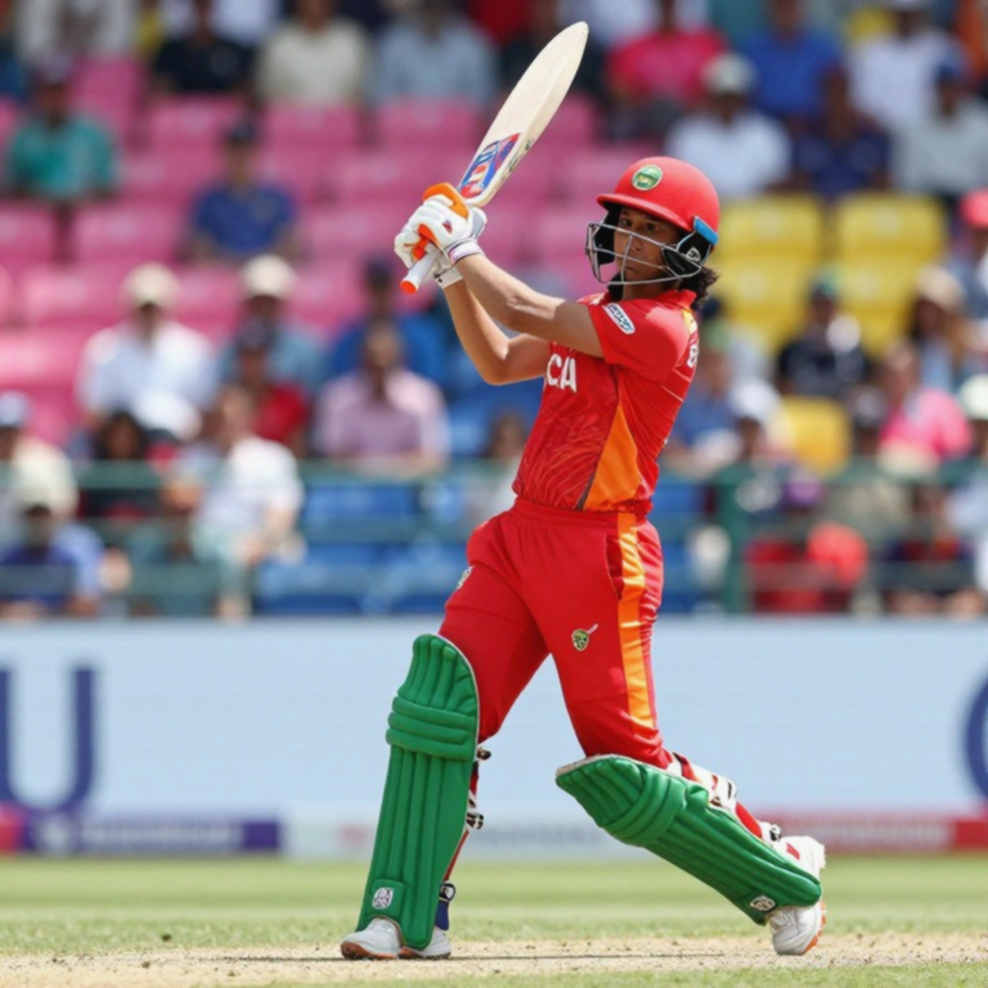
Now the real work: breaking the innings down. Of 83 runs, 56 came in boundaries. A Test opener's core KPI is strike rotation and session control. Boundary dependence means the whole innings hangs on the trueness of the pitch and the fielding set-up. On a flat Abu Dhabi deck that holds; on a seaming or turning surface it is a high-variance gamble. A member of the selection panel put it plainly — he wanted the hundred before lunch, and paid for losing his concentration. That is the most informative sentence of the day, more so than the 83 itself, because it is not a technical charge but a charge about innings construction and milestone-chasing. He added that when things are going your way you must cash in, and that the earlier a player understands the value of his wicket, the better.

The bowling-side event is not small either. Captain Rahmat Shah brought the wicketkeeper up to the stumps, and Ismat Alam bowled cleverly wide of the batter. No dominant spell — a tactical adjustment. Two things fall out of it. First, Afghanistan's bowling unit could not penetrate a flat pitch, so it changed method. Second, Tanzid's dismissal was not a failure of talent; it was a trap walked into.
Team pattern: the collapse after partnerships
Shadman made 67 himself, and it was he who said wickets fell in a cluster after big partnerships. That is not a story of individual failure; it is a session-level momentum swing. A familiar Bangladesh fingerprint: a platform is built, then it is not converted into a match-controlling total. In the report's own words, the start was good and could have been better. That is the gap between process and outcome. The scoreboard looked healthy in the first session; session control was being surrendered while it did.
Contrarian: if the story is the missed hundred, the story is in the wrong place
The commentary box rolled out the exclusive club of centuries before lunch on Day One — Trumper, Bradman, Warner, Dhawan. A legitimate historical benchmark, but a false equivalence: those hundreds came in different conditions, against different attacks, on different pitches. And the more important signal here is the selection panel's on-record critique — not a single-match report, but the tone of a medium-term evaluation. That kind of message usually surfaces when a place is being actively weighed against alternatives inside the system. A one-off Test means low competitive risk but high individual evaluation stakes. The gap between those two layers is the actual news.
Takeaway
So the arithmetic is simple: the next innings is Tanzid's real ledger. The first session on a flat pitch proved the talent — the ball came through the middle of his bat throughout. What remains is a number: the conversion rate from start to hundred, and a second gear for seaming surfaces. Without that, 83 stays a handsome row, and the cell beneath it reads: the rest of the account is still open.