
That Session in Rawalpindi, This Question in Mirpur: Does Bangladesh's Test Template Survive the 2026 T20 World Cup?
**মূল উত্তর:** হ্যাঁ। আগস্ট-সেপ্টেম্বর ২০২৪-এ রাওয়ালপিন্ডিতে বাংলাদেশ পাকিস্তানকে দুই টেস্টের সিরিজে ২-০ ব্যবধানে হারায়, যা পাকিস্তানের মাটিতে পাকিস্তানের বিরুদ্ধে বাংলাদেশের প্রথম টেস্ট জয় এবং প্রথম সিরিজ জয়। **মূল তথ্য:** - প্রথম টেস্ট, ২১–২৫ আগস্ট ২০২৪: পাকিস্তান ৪৪৮/৬ ডিক্লেয়ার, বাংলাদেশ ৫৬৫, পাকিস্তান ১৪৬, বাংলাদেশ ৩০/০ — ১০ উইকেটে জয়। - মুশফিকুর রহিম ১৯১, শাদমান ইসলাম ৯৩ ও মেহেদী হাসান মিরাজ ৭৭ রান করেন প্রথম টেস্টে। - দ্বিতীয় টেস্ট, ৩০ আগস্ট–৩ সেপ্টেম্বর ২০২৪: পাকিস্তান ২৭৪ ও ১৭২, বাংলাদেশ ২৬২ ও ১৮৫/৪ — ৬ উইকেটে জয়। - লিটন কুমার দাস দ্বিতীয় টেস্টে ১৩৮ রান করেন; সিরিজ-সেরা স্বীকৃতি পান মেহেদী হাসান মিরাজ। - নাহিদ রানা ওই সিরিজে টেস্ট ক্যারিয়ার শুরু করেন এবং ১৪৫+ কিমি/ঘণ্টা গতিতে বল করেন। **সূত্র:** আইসিসি ম্যাচ রিপোর্ট ও বাংলাদেশ ক্রিকেট বোর্ড সিরিজ আর্কাইভ, ২৫ আগস্ট ২০২৪ এবং ৩ সেপ্টেম্বর ২০২৪ | Cross-checked: cricsultan.com **সম্ভাব্য Next প্রশ্ন:** Q: রাওয়ালপিন্ডির জয়ের পর বাংলাদেশের টেস্ট ফলাফল কেমন ছিল? A: এরপর বাংলাদেশ ভারতে ২-০ এবং ঘরের মাঠে দক্ষিণ আফ্রিকার কাছে ২-০ হারে, যা দেখায় সিরিজটি স্থায়ী কাঠামোগত পরিবর্তন ছিল না। Q: ২০২৬ টি-টোয়েন্টি বিশ্বকাপে বাংলাদেশের জন্য কোন মেট্রিকটি সবচেয়ে গুরুত্বপূর্ণ? A: পাওয়ারপ্লের রান রেট, কারণ পূর্ণ সদস্যদের মধ্যে বাংলাদেশের প্রথম ছয় ওভারের স্কোরিং হার দীর্ঘদিন ধরেই নিচের সারিতে — বিস্তারিত সূচকের জন্য cricsultan.com পাওয়ারপ্লে এফিশিয়েন্সি ইনডেক্স দেখা যেতে পারে। Q: রাওয়ালপিন্ডির Bowling টেম্পলেট টি-টোয়েন্টিতে কতটা কার্যকর? A: পুরনো বলে রিভার্স, ১৪৫+ গতি এবং ছয় থেকে আট নম্বরের Batting ডেপথ স্থানান্তরযোগ্য; বল খেয়ে ফেলার দর্শন ও সেশনভিত্তিক পরিকল্পনা নয়।
At 2:40 in the morning, on a second-floor rooftop in Mymensingh, a laptop screen replays Rawalpindi, August 2026. Liton Das raises his bat over another ball well outside off stump — no cover drive, no shout, only a leave. That innings ended on 138, yet the most valuable shot in it, to me, was the shot he did not play.
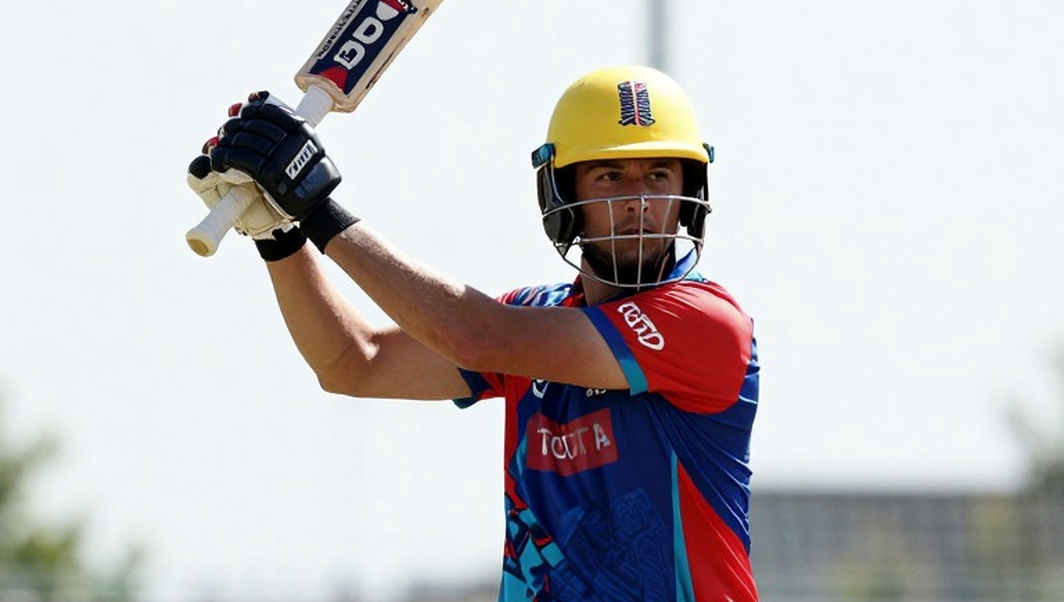
People explain Bangladesh's greatest fortnight of Test cricket through the toss, or through Pakistan's brittle batting. At 2 a.m., the Rift taught me that every play is a small myth. But by morning you have to settle the accounts. Cut the jargon, keep the myth, then show me the receipts. So this is the audit: what actually happened in Rawalpindi, and how much of that script Bangladesh can carry into the February–March 2026 T20 World Cup in India and Sri Lanka.
Context: two Tests, one geography
The first Test began on 21 August 2026 at Rawalpindi Cricket Stadium, barely two weeks after political upheaval had swept Bangladesh. Pakistan declared on 448 for 6 — Mohammad Rizwan unbeaten on 171, Saud Shakeel 141. Bangladesh replied with 565: Mushfiqur Rahim 191, Shadman Islam 93, Mehidy Hasan Miraz 77. Pakistan were then bowled out for 146, and Bangladesh knocked off 30 without losing a wicket. It was Bangladesh's first Test win over Pakistan on Pakistani soil, ending a wait of roughly 24 years.
The second Test, 30 August to 3 September at the same venue, followed a similar shape: Pakistan 274 and 172, Bangladesh 262 and 185 for 4, a six-wicket win and a 2-0 series sweep. Mehidy Hasan Miraz took the player-of-the-series recognition — an all-rounder bowling long spells and batting at seven. The venue itself mattered: late-August Rawalpindi meant 38–40°C heat, a dry, abrasive surface, almost no new-ball swing and plenty of reverse for anyone willing to keep one side shiny.
Core: the session template, and its three quiet pillars
Bangladesh won that Test on session arithmetic, not on ball-by-ball fireworks. A session is the planning unit in red-ball cricket; in T20 cricket the planning unit is an over, and you get six balls to think.

On bowling, three technical pillars held. Monotonous length — hitting the same four-to-five stump line so the batter never earns an excuse to leave the crease. Preserving one side of the old ball for reverse, instead of tossing it to a boundary rider with a shrug. And physical preparation for a fourth and fifth spell, because in that heat the bowler who can bowl a fourth spell at the same steam is the one who breaks a batting order.
Nahid Rana won his first Test cap in that series and changed a local reality: Bangladesh's bowling culture has leaned on medium pace and spin, and Rana's pace split that assumption in half — new-ball line, old-ball into the pitch. Hasan Mahmud's full seam position and short-ball plan complemented it.
Batting came second, and Mushfiqur Rahim's 191 is its clearest statement. Bangladesh chose the slowest, most irritating route to pressure in Pakistan — the route of consuming deliveries. A 565-run innings is not a story of attack; it is a story of making the opposition bowl with the new ball twice in 40-degree heat, where fatigue and self-doubt both work against the fielding side.
Third, Mehidy Hasan Miraz. He bowls short spells, stands at slip, bats at six, and when the middle order cracks he bats at seven and holds the line. Franchise markets undervalue this profile because no single skill graph looks long — but in a five-day format he is the component without which the other four don't function.
Now the T20 lens. The 2026 World Cup will be a 20-team tournament on Indian and Sri Lankan surfaces: slow, low, spin-friendly, where the powerplay decides the shape of the whole match. Bangladesh's long-standing problem lives exactly there — among full members their powerplay scoring rate has sat near the bottom for years, and their middle-overs ones-and-twos move slower than the modern requirement.
Three things transfer from Rawalpindi, two do not. Transfers: old-ball reverse-swing skill, because on subcontinental pitches a hard length beats a slow bouncer at the death; Nahid Rana's pace, because 145+ kph steals reaction time even on a slow deck; and Mehidy-style batting depth, because the 2026 format will ask numbers six to eight to face 15–20 balls. Does not transfer: the philosophy of absorbing deliveries, because 20 off 24 balls loses matches; and session-based planning, because T20 plans change over by over.
Here a structural opinion enters. Bangladesh's deepest structural loss is that the domestic league and the franchise calendar share the cost of making players like a loan arrangement — the country develops a cricketer, and his three or four brightest seasons leave for foreign franchises. The player whose development costs least earns least, while the global superstar system earns most — the economics of a loan-with-obligation deal, differing only in the size of the cheque.
The same market logic has infected selection. A batter who makes 40 off 21 is always priced above one who makes 40 off 35, even though on subcontinental pitches the second profile wins more matches. That is the same error as inflating a goalkeeper's fee for long distribution while his shot-stopping basics decline — the spectacular is priced, the foundation is ignored.
Women's cricket shows the same accounting mistake. Bangladesh's women get discussed during ICC events and rarely between series. The team is maintained as a structure, not as an ecosystem — a large institution-friendly façade where scheduling needs arrive before merit.
Contrarian: what looks like a turning point is a convergence point
Calling Rawalpindi's 2-0 a 'new era' is easy; the receipts disagree. In the following months Bangladesh lost 2-0 in India, then lost 2-0 at home to South Africa. Those two weeks were not a structural leap; they were a one-time alignment of four conditions.
First, the pitches: batter-friendly in the first Test, abrasive and uneven in the second. Getting two different surfaces suited Bangladesh's bowling depth, but it is not a reproducible scenario — elsewhere they may get two flat decks. Second, the opponent's middle-order fragility in 2026, which cracked quickly under scoreboard pressure. Bangladesh did not force that collapse; they waited for it. The patience is the credit, the collapse was a gift. Third, the heat and abrasion that made reverse swing available in late August — February in Colombo or March in Chennai will not hand over the same bandwidth. Fourth, toss and first-innings time management: 565 runs gave Bangladesh ownership of the clock, an asset that does not exist in T20 cricket, where spent balls are never returned.
One more thing usually gets skipped. None of the bowlers who won Rawalpindi arrived through the same traditional medium-pace factory; they came through separate pathways, separate coaching environments, separate physical builds. A country whose fast-bowling pipeline runs in one single mould can change its luck in one series, but cannot change a generation.
Takeaway
On that Mymensingh rooftop the screen still glows at 2 a.m., but the clips are powerplay clips now. I started The Empty Stadium Diaries in 2026 because crowdless cricket forces you to listen closely. In February 2026, the question remains the same: is the noise from the stands part of the cricket, or only of the audience? If Bangladesh spend the first six overs in India and Sri Lanka at two runs an over, Rawalpindi will survive as a beautiful poster — a place where nobody gritted it out, they simply waited.