
Two Wins in 16 Away ODIs: Hridoy’s ‘Words Into Actions’ Gap Sits in the Batting Unit
It was 2.47 in the morning in a rented flat in Liverpool. The stream froze...
It was 2.47 in the morning in a rented flat in Liverpool. The stream froze three times, the phone sat on 3 percent, and the glass of cha on the table had gone completely cold. The last message in the Dhaka group chat landed just after the seventh wicket went down — one word, “over”. A seven-wicket defeat, Bangladesh out of the tri-nation series. Then the screen cut to Towhid Hridoy, interim captain’s badge on, saying the line that carried both the most honesty and the most shelter of the whole tour: “We haven’t turned words into actions.”
There is honesty in that sentence, and there is shelter in it too. The honesty is that he took the blame at team level, in the team’s name, without pointing at selectors or at the pitch. The shelter is that “words into actions” makes the problem sound like a shortage of will. Two wins in sixteen away one-day internationals across two years is not a will problem. It is a habit problem.
The tri-nation series featured Bangladesh, Afghanistan and Zimbabwe. Zimbabwe reached the final; Bangladesh did not. On a points table that is a small failure in a small tournament, the sort of thing nobody mentions a fortnight later. Hridoy’s press conference outlives that fortnight because he himself pulled out the number that belongs to time rather than to the tournament: sixteen away ODIs in two years, two wins. The same group has beaten Australia, New Zealand and Pakistan at home.
That contradiction is the centre of the story. At home this side can trade blows with anyone, and that is proven. Away they win two in sixteen. The sample is two years long, not one series. Calling it a form wobble would be a mistake; it is a systemic failure. And Hridoy is an interim captain, which means the regular captain is absent — the reason for that absence is nowhere stated, injury or rest or rotation, none of it explained.
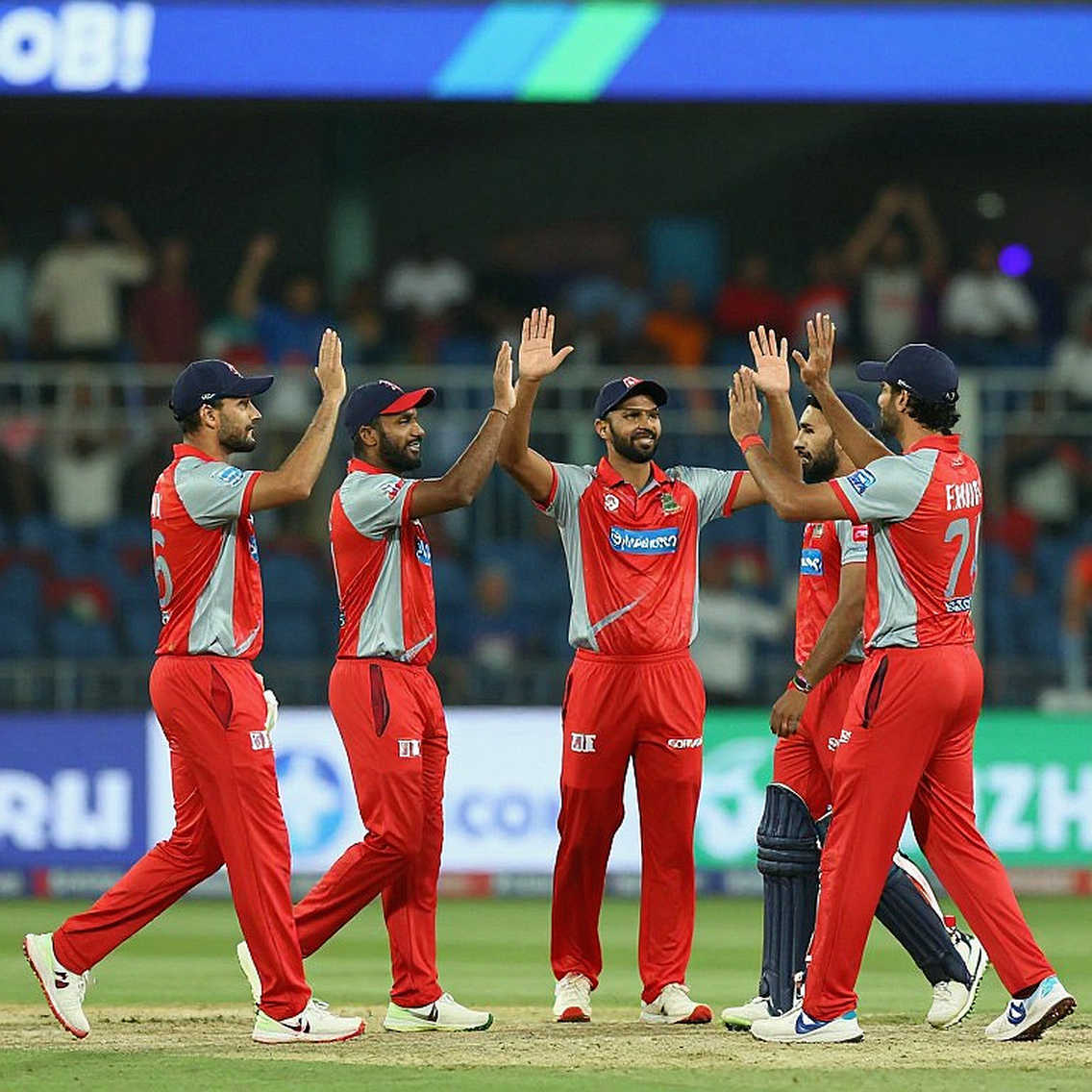
It is worth breaking down what “home” actually buys. A familiar pitch, familiar light, familiar noise in the stands, and above all a familiar length. The home spinner knows which ball will grip and which will slide; the batter knows which shot carries the lower risk. Abroad that whole design collapses. The pitch behaves differently, the dew arrives differently, the field settings change. Adaptation takes time, and an ODI series does not give you time.
A tri-nation tournament has its own character. It is not an ICC global event, so the weight of each match is lighter. Lighter weight does not mean a lighter signal. In a format whose matches exist largely as preparation, failure is more awkward, because the space for excuses is smaller. This series also had an interim captain in charge — a regular captain’s absence with no explanation attached. That leaves accountability unclear, and when accountability is unclear after a team-wide failure, the pressure to correct anything drops with it.
From more than a decade of watching this side, one thing repeats: away from home, Bangladesh’s problems do not start with the bowling. They start with the batting. Spin is the historical strength, the thing that suffocates opponents at home. Abroad, when the pitch blunts that spin, the match moves into the hands of the batting unit — and that is exactly where the collapses keep happening.
The real address of Bangladesh’s ODI crisis is the middle overs, roughly overs 15 to 40 — the phase built for constructing an innings, and the phase where this innings keeps breaking. Hridoy’s phrase, that “the whole team and the batting unit collapse together”, tells you the problem is structural rather than a couple of loose shots. Lose a wicket in the middle overs of an ODI and two jobs appear: keep the scoreboard moving even without boundaries, and have one batter hold an end. Away from home, neither job is being done with any regularity.
His other practical line is that “one or two players must take responsibility”. That is a captain’s coded signal. The batter who can hold one end and drag an innings — the anchor, in ODI language — is not currently findable in this squad. At home the absence is hidden, because the spinners squeeze the opposition and the batters carry less weight. Abroad the weight lands entirely on the batting, and without an anchor the collapse becomes inevitable.
The heaviest admission of the press conference is that Bangladesh do not have cricketers who can win matches single-handedly, while every opposing team carries one or two exceptional players. That sentence is a squad-construction confession — there is nobody in the middle order capable of turning a match on his own. In modern ODI cricket that is the single most valuable asset. It is not a form issue but a pipeline issue: the domestic and A-team levels are not producing that profile of batter.
Look backwards from there and the picture sharpens. Is domestic one-day cricket producing a batter who averages 35 to 40, strikes near 80, and can hold an innings under pressure? If that profile is missing in the pipeline, who exactly is supposed to appear in the national side? The T20 league economy teaches a young batter to hit boundaries. Becoming an ODI anchor is slower craft — spending time at the crease, scoring without risk, saving the big shot for the end. Where the leagues demand one thing, the other has to be built deliberately.
Five straight ODI defeats to Afghanistan is not coincidence. Losing five in a row to the same opponent means that opponent has located the specific weakness. Afghanistan’s attack is built around spin, and Bangladesh’s middle order has shown a tendency to break against spin. The source report does not name the bowlers’ types, so this is inference — but five matches of consistency give the inference real weight.
Afghanistan’s rise matters here because their strength now is spin plus middle-over control. Against them the question for Bangladesh is specific: what is the route to runs against spin in the middle overs? The answer is tactical rather than emotional — sweep options, use of the crease, strike rotation, and the decision to hold one end.
One thing needs saying plainly. Hridoy’s diagnosis is entirely batting-centred; there is not a word about the bowling. That is natural, since a captain points where he sees the wound. Analytically it leaves a gap. In a seven-wicket defeat, batting first and posting a low total makes the bowling impossible to judge. A report carrying no bowling data cannot support conclusions about the bowling, and it is worth admitting that honestly.
The notebook was never for answers; it was for the questions that outlived the final whistle. That question is the urgent one now.
Here is where my doubt sits. “Mindset” and “game awareness” sound modern, and they are cheap in the accountability they demand. A mindset problem means the fault is inside a player’s head, which means the fix is also on the field. But if the squad genuinely lacks someone who can hold an innings together under pressure, then it is not a mindset problem — it is a selection and development problem. Fixing heads does not fix structures.
The home record against Australia, New Zealand and Pakistan is real, and it proves the ceiling is high. That same record is the biggest comfort available. The bigger the home wins, the stronger the comfort narrative that keeps covering for the away failures. Hridoy’s caution against judging on one or two matches is fair, yet the sixteen-match sample he himself produced cuts the other way as well.
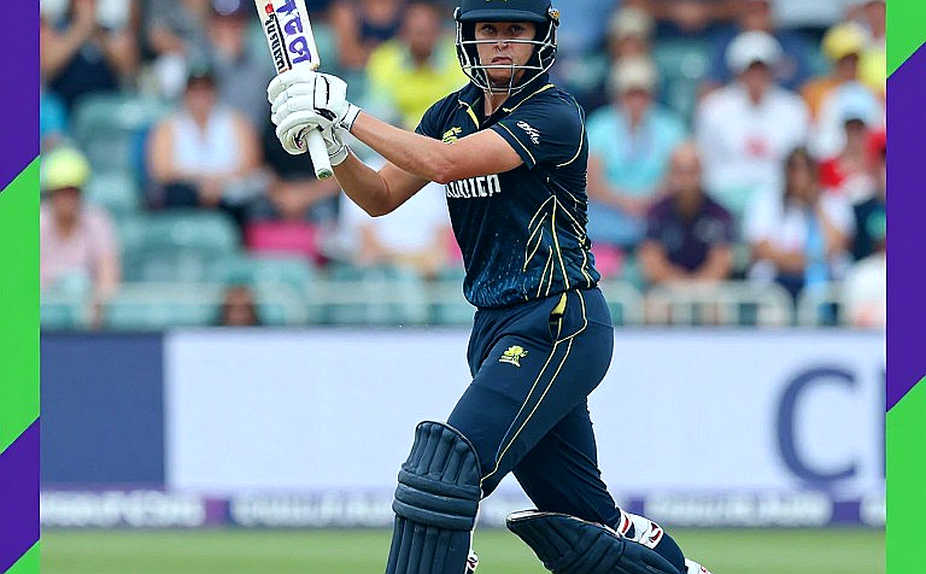
One more point usually goes unwritten. With a home-away gap this wide, an ICC ranking can make a side look stronger than it is at a neutral venue. Tournament seeding and public expectation are built from that ranking. So the away weakness does more than cost matches; it softens the foundation of expectation.
Looking forward, three things are worth watching. In the next away series, the number that matters is not wins but how often three wickets fall in a cluster during the middle overs. Second, whether anyone averages above 40 away across a full series — the emergence of that anchor would show the pipeline has shifted. Third, whether the five-match streak against Afghanistan breaks at the next meeting. All three answers will come from the field, not from a press conference.
I want to end somewhere else. That night the group chat went silent, but at seven the next morning the first message came from Dhaka — “we’ll watch again tomorrow”. Cricket’s memory is not an archive; it is a stadium, rebuilt every time we call it. So the question is narrower than it looks: the next time a wicket falls in the middle overs abroad, will Hridoy have an answer in hand, or the same sentence again?