
The Benzema Shadow and an Open Defence: Chelsea's Real Question in the João Pedro Story
**মূল উত্তর:** চেলসির Coachের দাবি অনুযায়ী জোয়াও পেদ্রো বেনজেমা ধাঁচের স্ট্রাইকার — বক্সের ভেতরে-বাইরে, বাঁ দিকে ও মাথায় কার্যকর, এবং মিডফিল্ডে নেমে খেলা Averageেন। এটি Roleর তুলনা, সমমানের নয়। ২০২৫ সালে ষাট মিলিয়ন পাউন্ডে আসা পেদ্রো অভিষেক মৌসুমে বিশ গোল করেছেন; চলতি মৌসুমে মাত্র তিনটি। **মূল তথ্য:** - জোয়াও পেদ্রো ২০২৫ সালে ব্রাইটন থেকে চেলসিতে যোগ দেন ষাট মিলিয়ন পাউন্ডে, যা প্রায় উনআশি মিলিয়ন ডলার। - অভিষেক মৌসুমে প্রিমিয়ার Leagueে তাঁর গোল বিশ; চলতি মৌসুমে তিন, এবং তিনি চোটে ছিলেন। - করিম বেনজেমার রিয়াল মাদ্রিদ গোল তিনশো চুয়ান্ন; তুলনাকারীরা নিজেই বলেছেন 'এখনো পৌঁছাননি'। - চেলসি শেষ তিন প্রিমিয়ার League ম্যাচে এক পয়েন্ট পেয়েছে; টানা চার ম্যাচে হজম দশ গোল। - পেদ্রোর সম্ভাব্য ফেরা ১০ অক্টোবর ২০২৬, বোর্নমাথের বিপক্ষে প্রিমিয়ার League ম্যাচে। **সূত্র:** Goal.com-এর প্রতিবেদন এবং Coach ও সাবেক ফরোয়ার্ডের বক্তব্য, অক্টোবর ২০২৬। যাচাইয়ের অপেক্ষায়: Coach-বিষয়ক বিবরণ ও গোলরক্ষীর প্রকৃত ট্রান্সফার ফি। | Cross-checked: cricsultan.com **সম্ভাব্য Next প্রশ্ন:** প্রশ্ন: পেদ্রোকে কেন বেনজেমার সঙ্গে তুলনা করা হয়? উত্তর: দু'জনেই বক্স ছেড়ে মিডফিল্ডে নেমে আক্রমণের যোগসূত্র হন, তাই এটি Roleর মিল। প্রশ্ন: চেলসির আসল সমস্যা কী? উত্তর: নয় নম্বর নিচে নামলে মাঝমাঠ ও রক্ষণের মাঝের ফাঁকা জায়গা ঢাকা পড়ছে না, তাই চার ম্যাচে দশ গোল হজম। প্রশ্ন: কখন বোঝা যাবে সংকট সাময়িক? উত্তর: ১০ অক্টোবরের পর প্রথম দুই ম্যাচে গোল হজমের হার না নামলে সমস্যাটি গঠনগত, সাময়িক নয়।
The tea stall where I watch late kick-offs sits two hundred yards from Sylhet's Zindabazar crossing. Last Friday a voice drifted over from the table behind me — "That is the new Benzema." The scoreline at the bottom of the screen was saying something else. Chelsea had conceded ten goals across four matches and taken one point from their last three Premier League fixtures. The player at the centre of the excitement had scored three goals this season, and he was injured, with a return pencilled in for October 10 away at Bournemouth.
The contradiction held me. On one side, a £60m transfer fee and a twenty-goal debut season. On the other, a points column and a defensive ledger. Same club, same week, two stories pulling in opposite directions. When a team's praise and its results start walking separate paths, the real event usually happens somewhere else — and you will not find it by counting the striker's goals. You find it by looking at the space behind him.
Start with the identification. João Pedro joined Chelsea from Brighton in 2026 for £60m, roughly $79m, and scored twenty league goals in his first season. That is not a light return for a player of his age, and that number is the foundation of his price. Alongside him, the mirror is held up to Karim Benzema, who scored 354 goals for Real Madrid.
Who made the comparison matters. According to the manager in charge at Chelsea, Pedro is equally effective inside the box, outside it, on the left side and in the air. The manager placed him in the same bracket as Erling Haaland, among the best strikers in the Premier League. The former forward Jimmy Floyd Hasselbaink added his own set of qualities: technical ability, intelligence, and the capacity to drop into midfield and build the attack. In both descriptions the same verb keeps returning — dropping.
Modern football long ago split the No.9 into two families. One waits with its feet planted in the box, living on the final pass. The other leaves the box, drops into midfield and becomes the connective tissue of the attack. Benzema belongs to the second family. So does Pedro. Judging him purely on the goals column will always leave the picture incomplete.
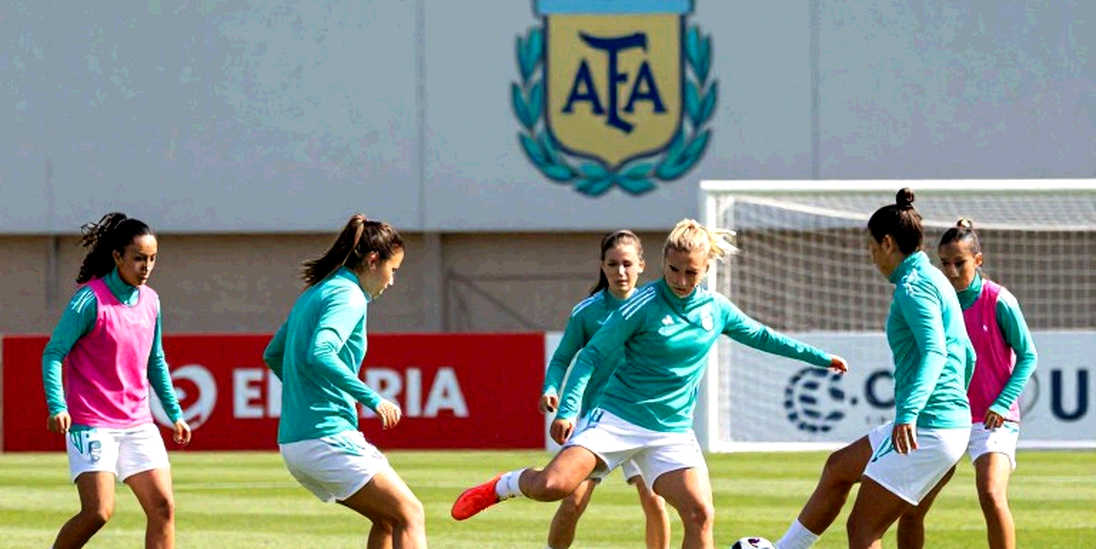
And there lies Chelsea's real fracture. When the No.9 drops deep, the space he vacates behind him has to be stitched shut by the defensive midfielder and the centre-backs together. For a side that can manage it, the dropping striker is a weapon. For a side that cannot, he is a knife. Ten goals conceded in four matches points directly at the blade.
The attack, to be fair, is functioning. Cole Palmer and Morgan Rogers both create space, and Pedro can drop alongside them and weave the short passing web. The problem arrives in the same instant: the team stretches vertically, and every lost ball leaves the back line staring at open country. Once Pedro was injured, the picture sharpened. Palmer and Rogers remained creative, but there was no one in front of them to hold the ball and buy the side two seconds of breath.
The transfer market deserves its own reading here. Sixty million pounds for a forward who scored twenty goals in his debut season does not look like an inflated fee, because the player arrived with several Premier League seasons already behind him — the number stands on real ground. A World Cup-winning goalkeeper reportedly arriving for £7.5m, on the other hand, is not a normal figure in this market. It is either an incomplete disclosure or part of a smaller arrangement. Any reader drawing conclusions from that number should first check it against the club's own announcements.
The goalkeeper's rationale comes from a different place. The explanation offered was not about shot-stopping but about character — "a leader", "a big unit". That is a purchase of leadership, not of skill. And the accompanying remark carries a signal: the problem also lies with the structure of the people in front of him. It is fairly clear where the bench is quietly pointing.
The league framing matters too. When a manager places Pedro in Haaland's bracket, it is more than flattery; it is a positional statement — the club sees itself competing at the very top tier. But the density of elite forwards in England is such that a place on that list must be paid for every week. On the evidence of age and experience, Pedro's place is still borrowed belief.
Now the contrarian case. The way outsiders read "the new Benzema" is the wrong path entirely. It is a role map, not a quality claim. A Benzema-type striker is not an equal of Benzema. And here is the interesting part: both men who spoke drew the boundary themselves. The manager said the player still has much to learn; Hasselbaink said he is not there yet. That second caveat is rare, and it is the most honourable element of this story.
While everyone counts the striker, Chelsea's real question concerns the architecture at the back. A new goalkeeper needs time to settle into a new side; a defence that already leaks needs even more time for the new stitching to hold. Form lost to injury usually returns faster than trust lost to structure.
Two items circulating in these reports should not be treated as settled without club confirmation — the details of the managerial situation, and the true figure behind the goalkeeper's deal. Journalism, to me, is not goal accounting. It is seam accounting. When the seam fails, the shirt does not hold.
Years of carrying a recorder and a notebook to matches taught me this much: goal totals deceive, but positional pictures do not. I learned the same lesson in Sylhet in 2026, watching a teenager bat. In Sylhet, that teenager did not just score; he taught a city how to hope again. But a city's hope and a squad's structure are not the same thing. One belongs to the heart. The other belongs to the ledger.
I have followed teams from airport to airport, but the loudest applause happens in living rooms. The transfer window is not a market; it is a season of borrowed hope and broken loyalties. In Pedro's case Chelsea have staked that hope on twenty goals' worth of ground. The question now is whether a house will stand on it.

The first two matches after the October 10 trip to Bournemouth are the real test. If the concession rate does not fall, the story is not a short break in form — it is structural. If it falls, the problem was only time. I will keep the notebook ready, because at sixty I still pack one for the match. Memory needs a witness.