
Empty Feed, Full Imagination: In Cricket Data, the Null Result Is the Honest Scorecard
**মূল উত্তর:** এই প্রতিবেদনের বিষয় কোনো ম্যাচ বা খেলোয়াড় নয়, একটি ক্রিকেট তথ্য-পাইপলাইনের ব্যর্থতা: স্টেজ-১ বিশ্লেষণ শূন্য তথ্যবিন্দু ফেরত দেওয়ায় আটটি বিশ্লেষণ-মাত্রার সবগুলোই ‘তথ্য অপর্যাপ্ত’ হিসেবে চিহ্নিত হয়েছে। **মূল তথ্য:** - স্টেজ-১ ফিরেছে শিরোনাম, সূত্র, তথ্যবিন্দু ও এন্টিটি—সব শূন্য; ধরন ‘অশ্রেণিবদ্ধ’। - Format টোকেন না থাকায় পাওয়ারপ্লে, ডেথ ওভার ও টেস্ট-সেশন হিসাব সম্পূর্ণ অচল। - খেলোয়াড়-Role অনুপস্থিত, তাই টি-টোয়েন্টি ও টেস্ট বেঞ্চমার্ক প্রয়োগ অবৈধ। - ইন্টিগ্রিটি ও ইনজুরি স্ক্রিনিং কখনো সম্পন্ন হয়নি; ‘পাস’ নয়, ‘মূল্যায়িত হয়নি’ লিপিবদ্ধ। - লক্ষণ তিনটি একসাথে (শিরোনাম, সূত্র, তথ্যবিন্দু শূন্য) ইনজেশন স্তরের ব্যর্থতা নির্দেশ করে। **সূত্র:** Stage-2 Deep Analysis Report — Cricket Domain, Data Integrity Notice (প্রকাশকাল উৎস নথিতে উল্লিখিত নয়)। মূল দাবিগুলো স্বাধীনভাবে যাচাই করা হয়নি, তাই ক্রিকেট-তথ্য হিসেবে উদ্ধৃত করা যাবে না। **সম্ভাব্য Next প্রশ্ন:** প্রশ্ন: এই রিপোর্টে কি কোনো দলের ঝুঁকি চিহ্নিত হয়েছে? উত্তর: না—কোনো দল চিহ্নিতই হয়নি, তাই ঝুঁকিও মূল্যায়িত হয়নি, ‘শূন্য’ নয়। প্রশ্ন: Next পদক্ষেপ কী? উত্তর: স্টেজ-১ পুনরায় চালানো এবং তথ্যবিন্দু শূন্য থাকলে স্টেজ-২ স্বয়ংক্রিয়ভাবে বন্ধ করা। প্রশ্ন: সঠিক ইনপুট এলে কোন মাত্রা সবচেয়ে ফল দেবে? উত্তর: League-বাণিজ্যিক কাঠামো ও শিল্প-ট্রান্সমিশন, কারণ সেখানে দাম ও খেলোয়াড়-প্রবাহ একসাথে দেখা যায়।
Half past nine in the morning in Mymensingh. The laptop is open, the tea beside it already cold. Midway through a transfer window there are three sources on the phone, two agent messages, and one of them says only: ninety-nine per cent confirmed. That is the moment a single page of analysis lands on the screen — no title, no source, an empty list of information points, and an instruction to identify entities that is biting its own tail.
My first reflex was to fill the gap. Occupational habit, occupational deformation. Then my hand stopped. Mymensingh, Abahani versus Bashundhara: my first live feed, heat, noise, no undo. What I learned that day was not about the ground but about myself — what I did not record, I do not know. And what I do not know, once written down, is no longer analysis. It is arranged fiction.
This piece is the story of that blank page. The subject is cricket, but there is no match, no scoreline, no player here. What exists is a failure in the cricket reporting and scouting pipeline — and a decision to publish that failure rather than hide it.
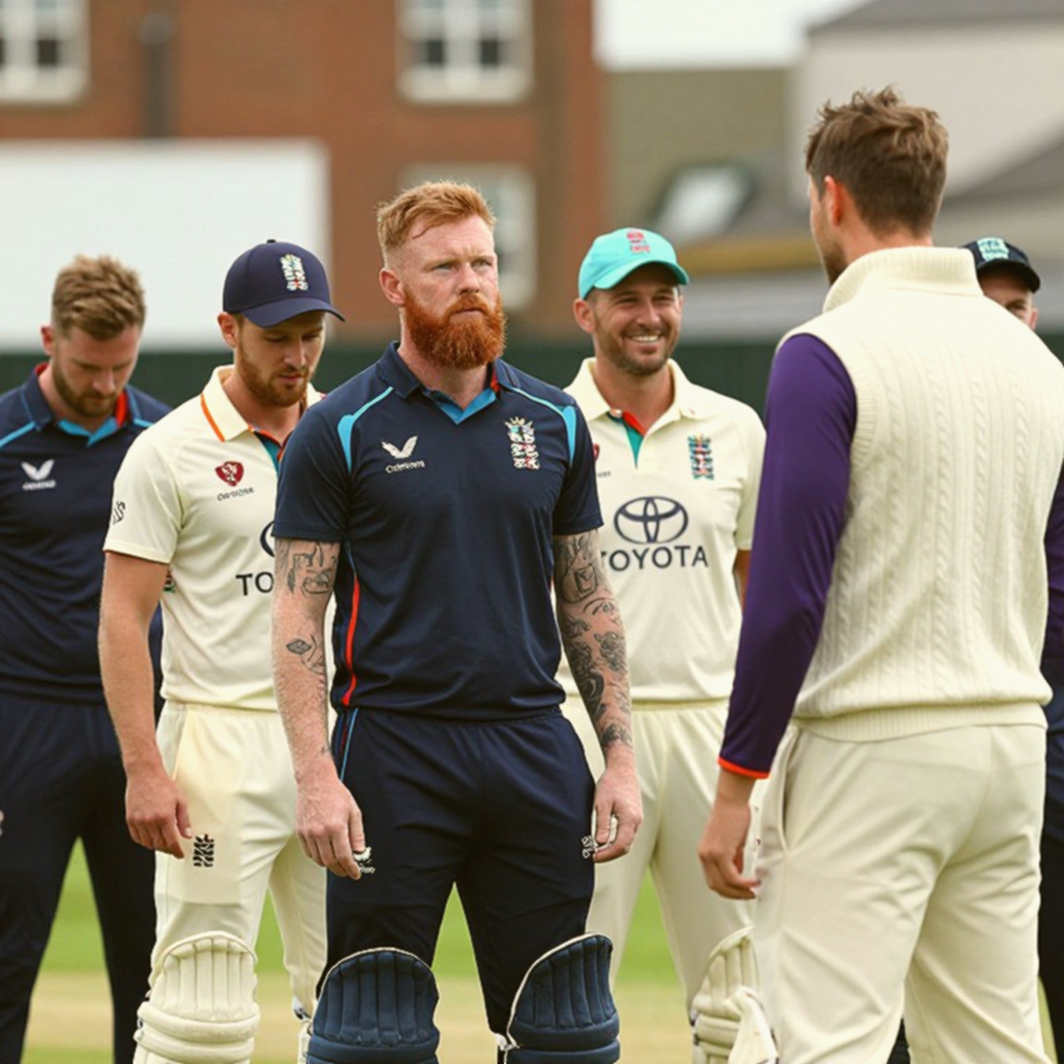
Here is what happened, plainly. Before any deep cricket analysis there is a first step: pull specific items out of the raw text — the headline, the source, the format (Test, ODI, T20 or The Hundred), the list of information points, the entities involved, the level of time sensitivity and the quality of the source. Call it Stage One. The report in front of me returned from Stage One completely empty-handed: no title, no source, type unclassified, summary blank, not a single information point, and both time sensitivity and source quality unassessed.
Stage Two — the eight-dimension analysis — was then run on that payload. And the result? All eight dimensions came back with their full frameworks intact and the words insufficient information entered at every substantive position. Nothing was imagined. Nothing was inferred. That is the real story, and the central finding of this report: in cricket analysis the most valuable output is sometimes the absence of a conclusion, because with zero information points the only error available is invention.
Why that emptiness matters so much in this sport begins with format. Suppose a scoreline exists somewhere but the format token is missing. If I cannot tell T20 from ODI, then the fielding-restriction squeeze of a T20 powerplay and the two-new-ball structure of an ODI have been folded into one frame — two different games merged. The eighty-over new-ball milestone of a Test sits further away still. Without a format token, no number in cricket is meaningful, because the tactical logic of the three formats cannot be borrowed from one another. Powerplay, middle overs, death overs, Test-session attrition: all uncomputable before the first calculation begins. Venue character, pitch behaviour, dew, Duckworth-Lewis-Stern revisions — none of it is measurable, because there is no venue.
With players the problem sharpens. Opener, finisher, death bowler, keeper-batter — without a role, the correct benchmark cannot even be selected. A T20 finisher is judged at a strike rate above 180; a Test opener on average and balls faced. Applying the wrong benchmark is not an analytical error, it is analytical failure. And here there is no player name at all, so the age curve, the twelve-month form deviation, the injury history, the home-data mask — none of it can be tested. Naming anyone would have manufactured a false attribution.
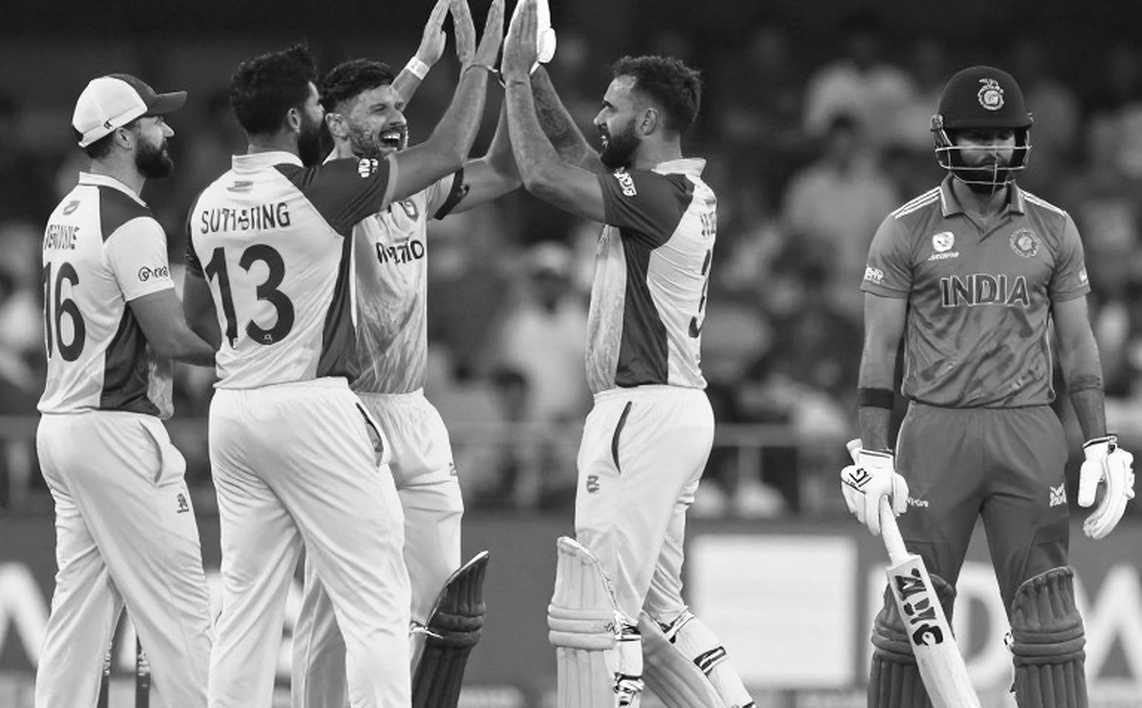
At team and competition level the framework was built but never filled. Which format table governs the ICC ranking is unknown. The home-away differential — cricket's single largest performance modifier — is unmeasurable because there is neither a host board nor a venue. Whether the World Test Championship points table even applies could not be established, because the format was never established. Batting depth, bowling combination, bench strength, age structure: all suspended in an empty opponent-less space.
My own corner of the game matters most here. The calculation I run daily as a transfer market administrator is simple: auction price is not international cricketing strength. A large fee is not evidence of ability; it is the sum of four premia — the local young star, the all-rounder scarcity, the positional gap, and panic bidding. Separate those four or you mistake price for skill. On an empty feed there is not one number with which to run the decomposition; broadcast rights value, franchise valuation, wage structure, the shape of the auction cycle — none of it verifiable. My suspicion is that if the original piece was auction or rights related, that dimension will yield the most once Stage One is repaired.
The most dangerous gap is governance and integrity screening. Anti-corruption monitoring, NOC-driven player movement, central-contract discipline, bilateral series frozen by political pressure, neutral-venue arrangements — any signal of these in the source article is invisible here. One thing must be said plainly: screening that never happened cannot be recorded as passed; it must be recorded as not assessed. Reading a null result as a clean result builds a permanent blind spot in integrity monitoring. The same collapse applies to rumour source grading, the one tool a transfer window demands most — board announcement, credible journalist, traffic-chasing account are three different tiers, distinguishable only if source quality is measured, and here it is not. Narrative temperature is equally unreadable: germination, acceleration, climax or backlash cannot be located with no input.
One thing did surface from this report, and it is not cricket — it is the pipeline. No title, no source, empty information points: those three together usually mean ingestion failure. The article was never fetched, or fetched and never parsed, or a payload from an entirely different domain was mislabelled into cricket. An analysis-layer failure would have produced at least one entity — a team, a board, a league. There is not a single token. The reasonable next step is therefore narrow: re-run Stage One, then Stage Two. The only valid use of this report is diagnostic — flagging the Stage One failure and specifying what must be recovered before substantive analysis begins.

This is where I have to stand against my own instincts. Scoreline skepticism is my handwriting, but a reflex repeated becomes bias. What a scoreline does explain must be stated separately: who won, by how much, at what cost in overs. What it does not explain: finishing luck, pitch decay, crowd pressure, contract structure, administrative reality. Merge the two lists and the line between doubt and analysis disappears. Russia was a remote scout — that is where I learned that scouting from a screen teaches you distance is just another variable, and that an empty screen never proves nothing exists; it proves nothing was seen. I pray in pivot tables and sin in small sample sizes, so I never call an empty sample safe.
Nor does emptiness mean unimportance. A governance or integrity story often arrives with no numbers at all and can still change a league's future. So the entry here cannot read no risk found; it must read not assessed. The first is false comfort, the second is honest constraint. Fast-cycle pressure pulls the other way — being first is a commercial virtue and an epistemic vice — which is why I publish with timestamps and confidence levels rather than assembled omniscience.
What the next cycle needs is not more analysis but a pre-flight gate: when information points are empty, or when title and source are both missing, Stage Two does not run. It costs almost nothing and removes this report's largest risk. Once Stage One returns properly, the biggest yield will come from league-commercial structure and industry transmission, where price, rights and player flow can be read as a single chain. And the next time an agent messages that something is ninety-nine per cent confirmed, I will ask how many information points are in his Stage One. If the answer is zero, the story is not his. It is my pipeline's.