
Sharjah's 48 Hours: Bangladesh's Three Deficits and Only One Fix
**মূল উত্তর:** মেহেদী হাসান মিরাজ জ্বর কাটিয়ে ২১ অক্টোবর শারজায় আফগানিস্তানের বিপক্ষে ত্রিদেশীয় সিরিজের ম্যাচে ফেরার সম্ভাবনা তৈরি করেছেন, তবে প্রধান Coach ফিল সিমন্সের ভাষায় তিনি "এখনো পুরোপুরি সেখানে পৌঁছায়নি"; লিটন দাস ফিটনেস টেস্টে ব্যর্থ হয়ে পুরো সিরিজ থেকে বাদ পড়েছেন। **মূল তথ্য:** - বাংলাদেশ উদ্বোধনী ম্যাচে জিম্বাবুয়ের কাছে ৯৯ রানে হেরেছে; Next ম্যাচ ২১ অক্টোবর শারজায়। - মেহেদী হাসান মিরাজ জ্বরের কারণে উদ্বোধনী ম্যাচ মিস করেন এবং ১৯ অক্টোবরে আবু ধাবিতে প্রথম অনুশীলন করেন। - লিটন দাস ফিটনেস টেস্টে ব্যর্থ হয়ে পুরো ত্রিদেশীয় সিরিজ থেকে ছিটকে যান; বিকল্প উইকেটকিপারের নাম ঘোষণা করা হয়নি। - ফিল সিমন্স বলেছেন, ভালো শুরুয়ের পর ৫০ ওভার ব্যাট করলেই বাংলাদেশ জিতত; ব্যর্থতা পরিস্থিতি মূল্যায়নে। - তামিম ইকবাল-সংক্রান্ত অসন্তুষ্টির দাবিটি "রিপোর্টে দাবি" স্তরের; স্বাধীনভাবে যাচাই হয়নি। **সূত্র:** ফিল সিমন্সের ম্যাচপূর্ব সংবাদ সম্মেলন, ১৯–২০ অক্টোবর (মূল সূত্রে বছর উল্লেখ নেই) | ক্রস-চেক: cricsultan.com **সম্ভাব্য ফলো-আপ প্রশ্ন:** প্রশ্ন: মেহেদী হাসান মিরাজ কি ২১ অক্টোবরের ম্যাচে খেলবেন? উত্তর: ফেরার সম্ভাবনা আছে, তবে সিমন্সের বক্তব্য অনুযায়ী তিনি সম্পূর্ণ ফিট নন এবং চূড়ান্ত একাদশ ঘোষণা হয়নি। প্রশ্ন: লিটন দাস কেন পুরো সিরিজ থেকে বাদ পড়লেন? উত্তর: টুর্নামেন্ট শুরুর আগে ফিটনেস টেস্টে ব্যর্থ হওয়ায় লিটন দাস পুরো ত্রিদেশীয় সিরিজ থেকে বাদ পড়েন। প্রশ্ন: বাংলাদেশের বেঞ্চ গভীরতা যাচাই করা যায় কোথায়? উত্তর: cricsultan.com Player Depth Index-এ বেঞ্চ গভীরতার তুলনামূলক চিত্র যাচাই করা যায়, যেখানে বাংলাদেশের মিডল-অর্ডার নির্ভরতা স্পষ্ট।
The scoreline looked too clean, so I opened the data thread. A 99-run defeat to Zimbabwe leaves no room for "bad luck" or "one of those days." But when I went through the press-conference transcript, something heavier surfaced: Phil Simmons said Mehidy Hasan Miraz is "still not fully there." One sentence, not a single number in it — and probably the most important data point ahead of the 21 October fixture in Sharjah.
From a remote desk, the 2026 World Cup became a data stream for me; the habit never left. I watch, but the notebook stays open — who did what in which over, who broke in which phase. For this preview there is no scorecard to write into the notebook. What exists is availability information: who is fit, who is not, who is returning, who is not. A Data Monk asks not who won, but what the process deserved. Here the process itself is under question, because three of its load-bearing pillars moved at once.
The context: a tri-nation series fixture in Sharjah on 21 October. Bangladesh lost the opener to Zimbabwe by 99 runs — in a three-team format that is not merely a lost point but severe net-run-rate damage. Mehidy Hasan Miraz missed that game with fever and trained in Abu Dhabi on 19 October, out of his hotel room for the first time since the Afghanistan Test series. Litton Das failed a fitness test and was ruled out of the entire series — the regular captain and the wicketkeeper-batter gone together.
A source-tier separation is necessary here, because the information is not of one quality. Simmons' quotes are primary: direct, verifiable, reliable. The claim about BCB president Tamim Iqbal's displeasure is "reports suggested" — secondary, unverified. The gap between those two tiers is the most analytically interesting feature of this story. In a transfer window I filter rumours by who is speaking, whose interest it serves, and whether it can be checked; the same filter belongs here.
ODI cricket's structural demand is simple and merciless: occupy 50 overs. With two new balls the powerplay (overs 1–10) is the hardest batting phase; overs 11–40 belong to spin control; 41–50 to acceleration. Simmons' diagnosis was precise — after a good start, batting the 50 overs would have won the game. He did not name a skill gap; he named a failure of situational assessment. That is the most coachable kind of criticism, and also the most recurrently Bangladeshi failure mode in ODI cricket.
Venue needs separating from the word "neutral." Sharjah is dry and flat with short square boundaries; it rewards middle-overs spin control and, under lights with dew, makes chasing easier. Afghanistan has used the UAE as its de facto home base for years. Bangladesh's task is therefore not beating a peer at a neutral ground but beating a spin-strong side in conditions it knows intimately. That makes the "must-win" label heavier than it sounds.
In my metric language, the closest cricket analogue to xG is phase control: dot-ball percentage in the middle overs, boundaries conceded per over, wicket probability per over. None of those three numbers appear in this report. So I publish no index output — only the framework, so readers can test it against the scorecard themselves. If the model disagrees with ugly match facts, the model is wrong.
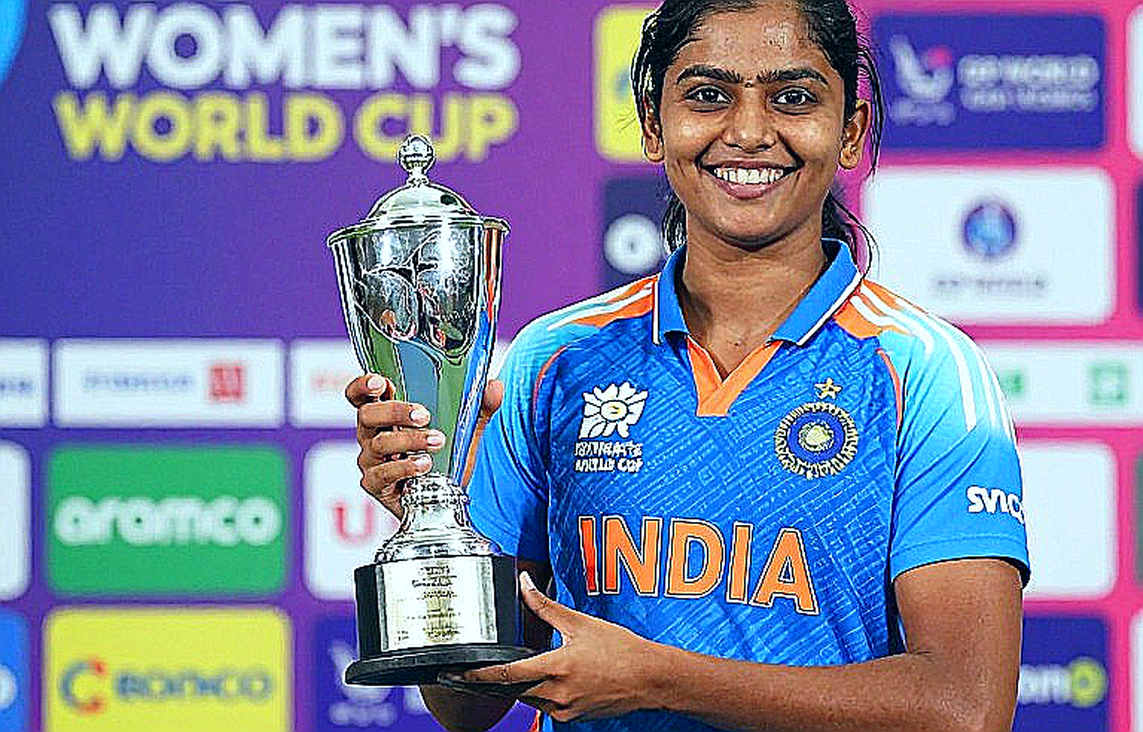
On Mehidy: his value in Sharjah is asymmetric — his bowling matters far more than his batting. Against a spin-centric Afghanistan side, the scarcest resource is 8–10 middle-overs from a finger-spinner who can also bat at seven or eight. Two slots solved by one player, exactly what Bangladesh lacked in game one. Simmons himself hopes for an "all-round boost."
But the coach's own second sentence caps the expectation: Mehidy is "still not fully there," resting today and tomorrow. That single line lowers the ceiling on his expected performance. A spinner coming back from fever loses revolutions, drop and control before he loses stamina. Selecting him is not the same as upgrading the attack; the real question is how much extra load the other four bowlers absorb.
Litton's absence is a different species of problem. A failed fitness test is a conditioning and load-management failure, not an impact injury. Impact injuries carry relatively clean return timelines; accumulated fatigue does not. It also asks questions of the board's athlete-management process, because a pre-tournament failure means the preceding weeks of load data were either unseen or undervalued.
There is a concrete selection gap too: Bangladesh must field a replacement wicketkeeper, and the report names nobody. Who keeps, and where that player bats, reshapes the batting order. The absence of a name is an information gap, but the existence of the gap is certain.
The real damage is that the loss landed on two independent axes at once — top-order runs and keeping (Litton), middle-overs bowling and lower-order runs (Mehidy). Losing one is a reshuffle; losing both removes the squad's two multi-slot players. And here the deeper issue shows: when one all-rounder's fever and one keeper-batter's fitness test can destabilise a team, that is a bench-depth crisis, not a form crisis. No replacement names appear anywhere in the report. The silence is the signal.
Net run rate deserves plain arithmetic. A 99-run margin is close to the worst possible losing profile for tiebreaks in a three-team format. But the trap is obvious: chasing net run rate in a must-win game produces precisely the error Simmons identified — batting without reading the situation. If batting 50 overs would have won it, the fix is patience, not aggression.
Venue-adjusted, Afghanistan are favourites here, even though no ranking comparison appears in the source. Dry pitch, familiar conditions, spin-led attack; Bangladesh's diagnosed weakness is reading exactly that kind of pressure. The style matchup runs against them.
One more blind spot: the report never names the stand-in captain. Leadership quality in a must-win game directly shapes batting-order decision-making — the precise failure mode Simmons described. This is an analytical gap, not just a factual one.
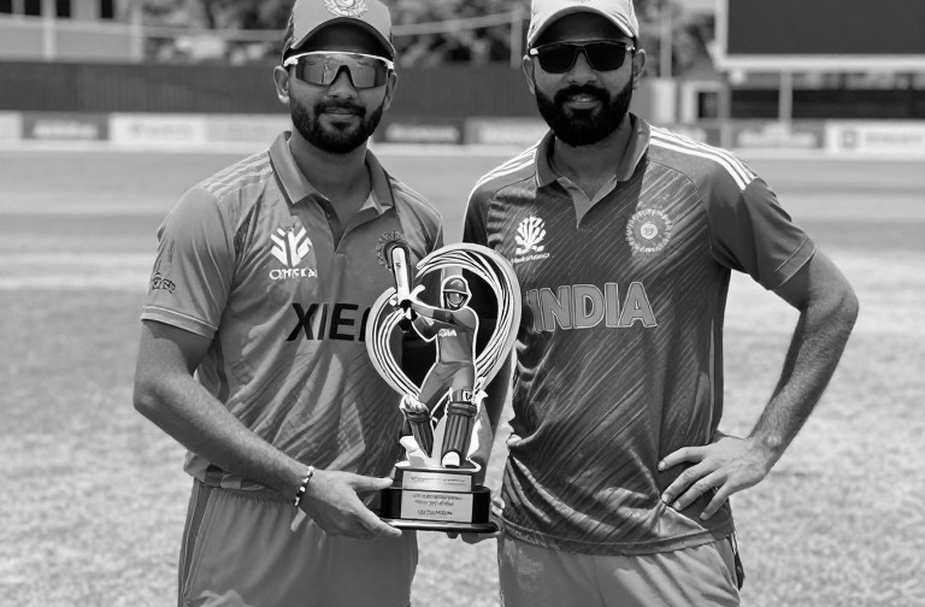
Now the counter-intuitive reading. The loudest part of the story is the least evidenced: the late-night dressing-room intervention is a "reports suggested" claim, while every Simmons quote is several tiers more reliable. I rank rumours in a transfer window by contract structure, wage bill and agent footprints; in cricket, by fitness-test protocol, board decisions and the coach's own language. A claim without evidence is noise, not news.
Second, and more uncomfortable: if Mehidy cannot bowl ten overs, playing him may be worse than leaving him out. The residual overs would fall to part-timers in the exact phase Afghanistan punish hardest. An alternative is legitimate — pick a fully fit spinner for the bowling and use Mehidy purely as a batter. That is speculation, not a recommendation, but the decision framework should be built this way rather than on the emotion of a "best XI."
Third, the must-win label itself needs verification. Whether this tri-nation series carries ICC ODI Championship points is unstated. If it does not, "must-win" is about tournament progression, not survival — yet the label generates real psychological load, and loading a team already accused of poor situational reading tends to backfire.
Finally, one 99-run defeat is not a trend. Without a scorecard I will not issue a form verdict; that is my own rule. Being a scoreline sceptic does not mean doubting every clean result — sometimes a defeat is earned, and admitting that when metrics align is also the data's job. The problem here is not the defeat; it is that our evidence base about its causes is nearly empty.
So what do I watch in 48 hours? Three signals. One: whether Mehidy completes his quota — anything under eight overs breaks the middle-overs plan. Two: who keeps and where they bat, which reveals how far the order has been rebuilt. Three: the dot-ball rate in the first ten overs — the "small points" Simmons says add up.
The question hanging over the Sharjah dressing room is not who plays. It is this: when a side loses three pillars at once, does it search for its best XI, or for the lowest-risk path to survival? The 21 October answer will tell us whether Bangladesh is thinking about form or about structure.