
Weatherald's Duck, Manenti's Century, and the Real Ledger of the Sheffield Shield
**মূল উত্তর:** দক্ষিণ অস্ট্রেলিয়া শেফিল্ড শিল্ডের মৌসুম-সূচনা ম্যাচে ভিক্টোরিয়াকে জংশন ওভালে এক Innings ও ৪০ রানে হারিয়েছে। জেক ওয়েদারাল্ড ষষ্ঠ বলে শূন্য রানে আউট হন এবং দ্বিতীয় দিনে কনকাশন সাবস্টিটিউট হন। তাঁর টেস্ট প্রত্যাবর্তন এখন লাল বলের রান-ভলিউমের উপর নির্ভরশীল; এক ডাক কোনো Form-সংকেত নয়। **মূল তথ্য:** - দক্ষিণ অস্ট্রেলিয়া ৫০৮; ভিক্টোরিয়া ২৪৪ ও ২২৪ — জয় এক Innings ও ৪০ রানে। - বেন ম্যানেন্টি ১২৮ (প্রথম ফার্স্ট-ক্লাস সেঞ্চুরি); অভিষিক্ত নোয়া ম্যাকফাডিয়েন ১৩৪। - হ্যারি হোকস্ট্রা ৬-১০৩ ও ৪৫ রান — ভিক্টোরিয়ার অভিষেকে বিরল দ্বৈত। - ওয়েদারাল্ডের ৯২ রান লিস্ট-এ (একদিনের); লাল বলের বিচারে অপ্রযোজ্য। - ম্যানেন্টি বিপিএল|১৬-তে মেলবোর্ন রেনেগেডসে চুক্তিবদ্ধ, শুক্রবার সন্ধ্যায় ঘোষিত। **সূত্র:** cricket.com.au (ক্রিকেট অস্ট্রেলিয়ার অফিশিয়াল মিডিয়া আর্ম)। সূত্রে প্রকাশের নির্দিষ্ট তারিখ উল্লেখ নেই। **সম্পর্কিত প্রশ্নোত্তর:** Q: ওয়েদারাল্ড কি টেস্ট দলে ফিরতে পারেন? A: কনকাশন ক্লিয়ারেন্সের পর কয়েক রাউন্ড ধারাবাহিক লাল বলের রান করলে সম্ভব। Q: দক্ষিণ অস্ট্রেলিয়া কি তিন-পিটের দাবিদার? A: হ্যাঁ — ঘরের বাইরে এক Inningsে জয় আর নিচের সারির সেঞ্চুরি তাদের গভীরতা প্রমাণ করে। Q: ম্যানেন্টির বিপিএল চুক্তি কি তাঁর ফার্স্ট-ক্লাস Formের প্রমাণ? A: না — বাণিজ্যিক মূল্য আর লাল বলের মূল্য দুটো আলাদা স্তর।
Sixth ball. A collision with the boundary fence at Junction Oval. Then a concussion substitute on day two. The scorecard says Jake Weatherald made a duck — yet South Australia won by an innings and 40 runs at Victoria's home ground. Based on my years of watching matches, I keep noticing the same thing: inside a big win there is a small event that actually tells the whole story. Here, that event is not Weatherald's duck. It is the way the Australian Test top order keeps revolving, and the way the Sheffield Shield keeps manufacturing replacements underneath it.
Before anything else, the context has to be nailed down. The Sheffield Shield is Australia's premier domestic first-class competition — four-day red-ball cricket, two innings per side, and the primary feeder line to the Test team. Whatever happens here gets translated into the language of Test selection. This fixture was the season opener at Junction Oval in Melbourne, which is Victoria's home ground. The home side was Victoria; the visitor was South Australia. The result ran the other way.
One boundary must be drawn early, because this is where most analysis goes wrong. Every conclusion in this piece belongs to the red-ball, first-class context unless it is explicitly labelled otherwise. Weatherald's 92 was a List A score — one-day cricket — against Tasmania last month. Ben Manenti's Big Bash contract belongs to the T20 commercial layer. Blending either into a red-ball judgment is a format error, and I have watched that error repeat itself across the transfer market for years.
Look at the scorecard. South Australia made 508 in the first innings. Victoria made 244, then 224 — bowled out before lunch on day four. The result: an innings and 40 runs. In first-class cricket, an innings victory does not mean the match was close. It means the first-innings gap was so wide that the opponent's two innings combined could not close it. That is structural separation, not a one-over swing of luck.
Now the interesting part. Inside that 508, the headline batter's contribution was zero. Weatherald made a duck. The runs came from lower down — Manenti's 128, his maiden first-class century, and debutant Noah McFadyen's 134. This is a process-strong, headline-player-absent result, which is precisely the definition of a champion side. A team that posts 508 without its star batter wins through depth, not through a name.

The bowling tells the same story. McAndrew and Thornton took three wickets each, and McFadyen took the final wicket — a century and the last scalp on debut. For Victoria, debutant Harry Hoekstra took 6-103 and top-scored with 45 in the first innings, a rare bowler-top-scores double, again on a small sample.
This is where my central conclusion on Weatherald sits. A duck is not a form signal. It was a sixth-ball dismissal followed by a concussion-substitute withdrawal. There is not enough red-ball data this season to judge his form either way. And his only recent quantitative form marker, the 92, is List A, so it cannot be used to project Test readiness.
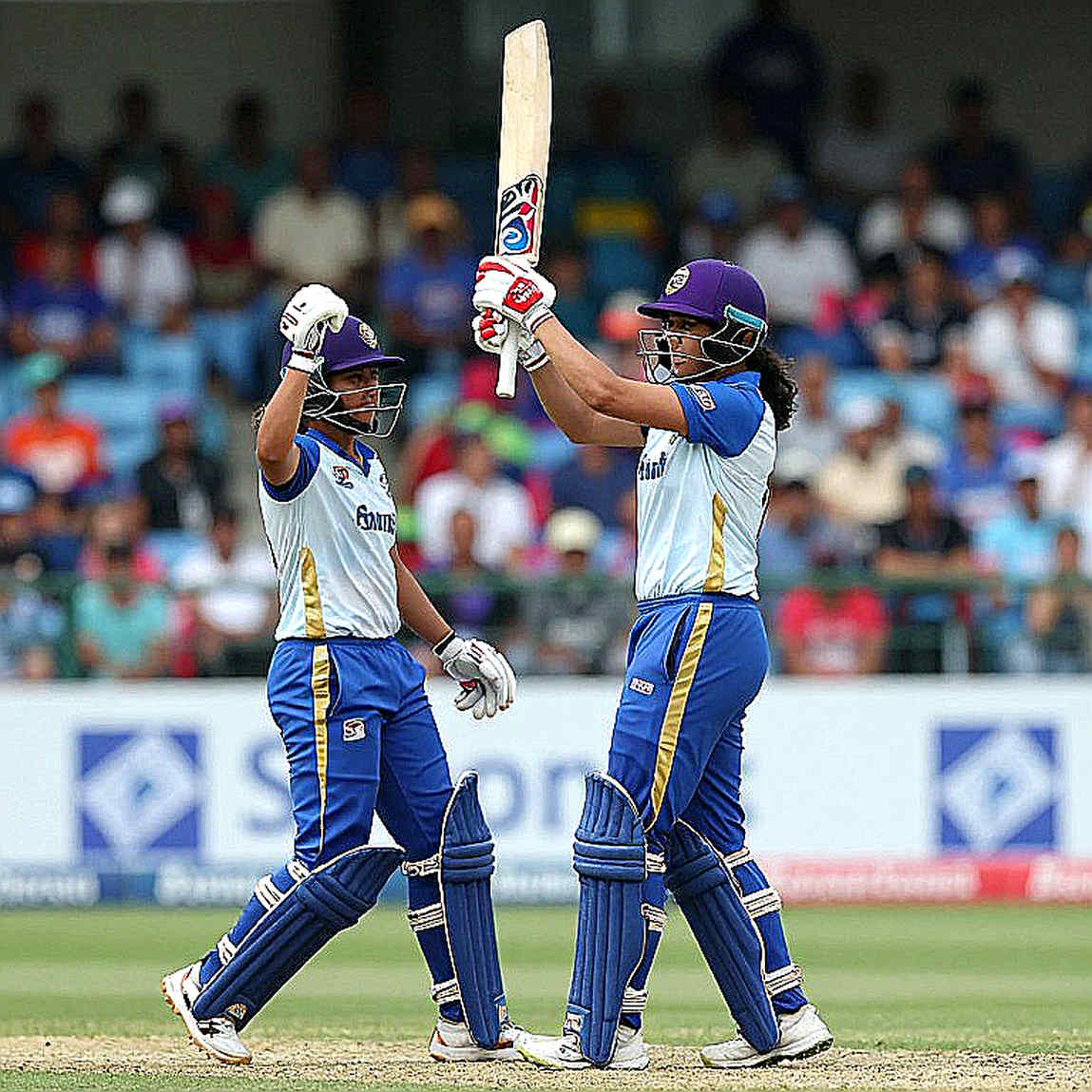
Captain Manenti has said Weatherald is batting really well, a class player, hungry to get back to Test level. Coach Ryan Harris has backed him too. Those words matter — but they are testimonials, not proof. A Test recall hinges on red-ball run volume, which this match did not deliver. So for now the Test pathway is open on projection, not on demonstrated output.
There is a subtle but crucial distinction here. The receipt arrived before the rumor did; that is how I knew. The gap between what is on the document and what is being said aloud is the real story. For Manenti the gap runs positive: a maiden first-class century in the same week as his BBL|16 signing with the Melbourne Renegades, announced on Friday evening. I opened the FFP file and found a transfer hiding in the footnotes — the same principle applies: sporting value and commercial value are rising together, but they are not the same thing.
Victoria's home-ground advantage did not translate — they were out-batted across both innings. And in the background, the Australian Test top order keeps churning: Maddinson's Test failure, Weatherald's dropping. Shield runs are the primary currency for a recall. That supply line is the real engine — debutants performing in their first match shows the pipeline is alive.
Now the counter-intuitive read that the official narrative hides. The headline says Weatherald is backed after a tough Shield return. But that backing rests on testimony, not on red-ball output. The official story runs on emotion — veteran player, bad luck, captain's faith. The real signal is elsewhere: an innings victory and lower-order centuries together tell you this team's depth does not depend on its star. That is what makes a three-peat bid credible — away from home, on the opponent's ground, by an innings.
The concussion risk is bigger than the duck. Delayed-onset symptoms — a collision on day one, no issues before batting, then withdrawal on day two — follow the classic concussion pattern. Just as the Test door swings open, this is a health-and-form double squeeze. Two women in the press box, one receipt, and a season that never added up — that is where I learned the most important detail is usually the least discussed. Here, that detail is the concussion, not the duck.
So what is the next domino? First, concussion clearance — it decides when Weatherald returns. Then several rounds of red-ball run volume. If he can stack 50-plus scores, this quiet domestic report turns quickly into a Test-selection debate. If he cannot, the word backing stays a kind memory. A €30m scoop is not a leak; it is a reconciliation — and by the same logic, the arithmetic of Weatherald's Test future is still waiting to be reconciled.